Wine tourism is no longer a side activity. It has become a central pillar of winery strategy. By 2026, it stands as one of the most resilient and reliable sources of growth for producers around the world. As the global wine sector slowly finds its balance after years of disruption, wine tourism is emerging as an engine of recovery.
This recovery is not driven by volume or number of visitors alone. It is driven by value. Guests are no longer satisfied with standard tastings or routine cellar tours. They are seeking meaning, memory, and connection, experiences that feel personal, emotional, and rooted in place.
Wine tourism has established itself as a vehicle for job creation, regional vitality, and rural resilience, with the majority of wineries reporting strong and rising profitability from visitor experiences.
While tastings, cellar doors, and vineyard tours remain the backbone of the offer, the audience is evolving, younger, experience-driven travelers are increasingly joining the loyal 45–65 demographic. Sustainability, authenticity, and local identity are no longer optional trends but core expectations, impeccably integrated into successful strategies.
Redefining Value Through Experience and Storytelling
In 2026, storytelling, engaging wine-and-food experiences, collaboration, and strategic social media use are fueling industry transformation across the sector. As a result, wine tourism is shifting from a niche pursuit into a globally influential platform for:
- Creative marketing
- Cultural connection
- Sustainable development
Wine tourism in 2026 will favor wineries that look beyond production and sales to adopt the role of host, storyteller, and cultural curator, inviting guests not just to taste wine, but also to fully experience its world.
Wine Industry Recovery and Tourism’s Role
The global wine industry is still recalibrating. Consumption remains flat across many mature markets, costs stay elevated, and export uncertainty continues to challenge producers. With traditional channels offering fewer growth opportunities, wineries are being pushed to redefine what drives stability and resilience.
Tourism, however, tells a far more optimistic story. Around 25% of total winery revenue now comes from tourism-related activity, spanning cellar door sales, hospitality, events, and experience-led offerings. In non-European regions, this share is often even higher, and nearly two-thirds of wineries report wine tourism as profitable or very profitable.
The impact reaches well beyond winery balance sheets. Wine tourism sustains rural jobs, anchors regional economies, and keeps small and emerging producers visible and viable. It is no longer an optional add-on; it has become a strategic necessity for long-term success.
Sustainability: From Expectation to Experience
By 2026, sustainability is no longer optional, it is expected. Around two-thirds of wineries now rank sustainability as important or very important within their tourism strategies, spanning energy efficiency, water management, lighter packaging, local sourcing, and landscape preservation. Yet the shift goes far beyond compliance or certification.
Today’s visitors demand more than generic ‘green’ claims, they want proof, participation, and authenticity. Switzerland, for example, leads by placing sustainability at the heart of its wine promotion, linking vineyard practices, tourism, and storytelling. The message is clear: sustainability has become an experience, one that invites guests to be part of something responsible and enduring.
From Traditional Tours to Emotional Wine Experiences
The classic winery tour is fading, quick walk-throughs, steel tanks, brief tastings, and rushed shop visits no longer satisfy. By 2026, wine tourism will be about seduction, inviting guests to slow down, linger, and truly feel the place, focusing on why the wine exists through rich, emotional, and meaningful experiences.
Experiences now emphasize:
- Seasonal and story-driven events
- Culinary pairings with local identity
- Cultural programming through art, music, and heritage
- Wellness elements like vineyard walks or sensory tastings
Storytelling is the quiet force that turns wine into memory and visits into lasting relationships. Social media amplifies this, pushing wineries to craft genuine, shareable moments, not staged, but authentic. Despite economic pressures, nearly half of wineries plan to expand their tourism, showing confidence that experience-driven growth will outpace traditional models in a challenging market.
Wine Tourism Visitor Demographics and Trends
Wine tourism remains anchored in the 45–65 age group, visitors with time, spending power, and a deep appreciation for quality. Yet the center of influence is beginning to shift. The 25–44 segment is gaining importance, not always through sheer numbers, but through its ability to shape tastes, set trends, and redefine what a meaningful wine experience looks like.
The 25-44 group drives demand for:
- Low-alcohol wines
- Transparent production values
- Heritage and lesser-known grape varieties
- Experiences that blend culture, food, and place
They may drink less, but they engage more deeply. Geographically, Europe continues to see steady visitor growth, supported by strong domestic and regional travel, while overseas visitation has softened slightly amid broader economic uncertainty. The strategic implication is clear: wineries must create flexible, thoughtful experiences that resonate across generations, without compromising authenticity or sense of place.
Regional Wine Tourism Hotspots to Watch
Not all regions are recovering at the same pace. Italian Piedmont, for example, stands out, leading expectations with an estimated 20% growth potential in wine tourism. Its rare blend of deep heritage, world-class gastronomy, and globally recognized appellations creates a strong and natural momentum for continued growth.
Close behind are:
- Burgundy, driven by scarcity and prestige
- Champagne, where luxury tourism remains resilient
- Tuscany, benefiting from diversified hospitality ecosystems
Optimism runs highest in fine wine regions, where premium positioning consistently outperforms volume-driven models. At the same time, buyers and travelers are showing growing curiosity for emerging regions and small producers. Global awards and curated platforms are amplifying these voices, shifting focus away from traditional icons. Nowadays, discovery itself has become the new luxury.
Digital Terroir: Where Technology Meets Tradition
Digital terroir is where technology meets tradition in the most elegant way. Rather than replacing the magic of a physical visit, digital transformation in wine tourism is designed to enrich the experience, offering personalized journeys, virtual tastings, and connections that invite guests to explore terroir beyond the vineyard gate. It’s a smart fusion that honors heritage while opening new doors to discovery.
Key trends include:
- Direct-to-consumer booking and sales models
- AI-driven personalization of visits and offers
- Virtual tastings as pre-visit or post-visit touchpoints
- Data-informed storytelling that adapts to guest interests
- Real-time updates on events, new releases, and special offers
This is the rise of ‘digital terroir’, technology that enriches a sense of place instead of diluting it. The goal isn’t more visitors, but better alignment: the right guest, the right experience, the right value. By 2026, growth favors terroir-driven wines with compelling stories, where meaning outweighs price. It’s value over volume, premium over mass.
Winera.com puts the future of wine tourism at your fingertips, blending convenience with personalization. With just a few clicks, you can easily reserve spots at wineries and exclusive tours. The platform connects you directly with producers through direct-to-consumer booking, tailoring visits and offers to your preferences. Data-driven storytelling then creates customized journeys that deepen your connection to the wines and regions you love.
Emerging Wine Regions Gaining Momentum
Alongside established icons, several regions are gaining momentum through distinctive tourism and clear identity.
Europe’s Rising Stars
Alentejo, Portugal: Sun-drenched landscapes produce robust reds from indigenous grapes. Luxury quintas provide immersive stays rooted in heritage and hospitality.
Txakoli, Basque Country, Spain: Zesty, saline whites create by-the-glass excitement. The region thrives on dynamic food culture and informal, energetic tourism.
Canary Islands, Spain: Volcanic soils yield distinctive wines. Offbeat, dramatic, and increasingly recommended by professionals seeking originality beyond the mainland.
Naoussa, Greece: Xinomavro shapes the region’s identity, structured yet versatile, blending Old World depth with modern drinkability. Tourism thrives on a rich food pairing culture and growing global interest.
Šumadija, Serbia: Often called the heart of Serbian winemaking, Šumadija combines fertile hills and a continental climate to produce vibrant, flavorful wines rooted in deep local tradition.
Vulture, Basilicata, Italy: Named Italian Wine City 2026, Vulture centers on Aglianico and rural regeneration. Fourteen municipalities collaborate on year-round events, making wine tourism a tool for regional revival.
Umbria & Alto Adige, Italy: Umbria delivers character-rich wines rooted in authenticity, while Alto Adige shines with alpine freshness, precision, and food-friendly varieties. Both regions draw visitors seeking calm and clarity.
Americas Highlights
Valle de Guadalupe, Mexico: A Mediterranean climate blends with bold design, eco-chic hotels, farm-to-table dining, and confident wines, earning global attention by balancing innovation with authentic sense of place.
Texas, USA: Once overlooked, Texas is now a rising domestic frontier. Expressive wines, ambitious producers, and growing sommelier interest are reshaping its reputation, while tourism celebrates openness and originality.
Washington State, USA: High-altitude terroirs produce quality-driven wines at accessible prices. The region’s clear style and strong hospitality continue to boost its international reputation.
Finger Lakes, New York: A quiet achiever. Cool-climate wines, dramatic scenery, and long-term potential make it a region many visitors underestimate, until they arrive.
Winera.com: Your Gateway to Wine Tourism in 2026
For practical tips and expert advice on planning your perfect wine journey, explore Winera’s comprehensive guide, ‘How to Book a Wine Tour’. Whether you're just starting to explore the world of wine or a seasoned connoisseur, this guide offers insights tailored for every palate.
Discover the best wine destinations, tours, and experiences of 2026 with Winera.com, your ultimate gateway to great wine adventures.
Casa Relvas - Alentejo Biodiversity Route (Alentejo, Portugal)
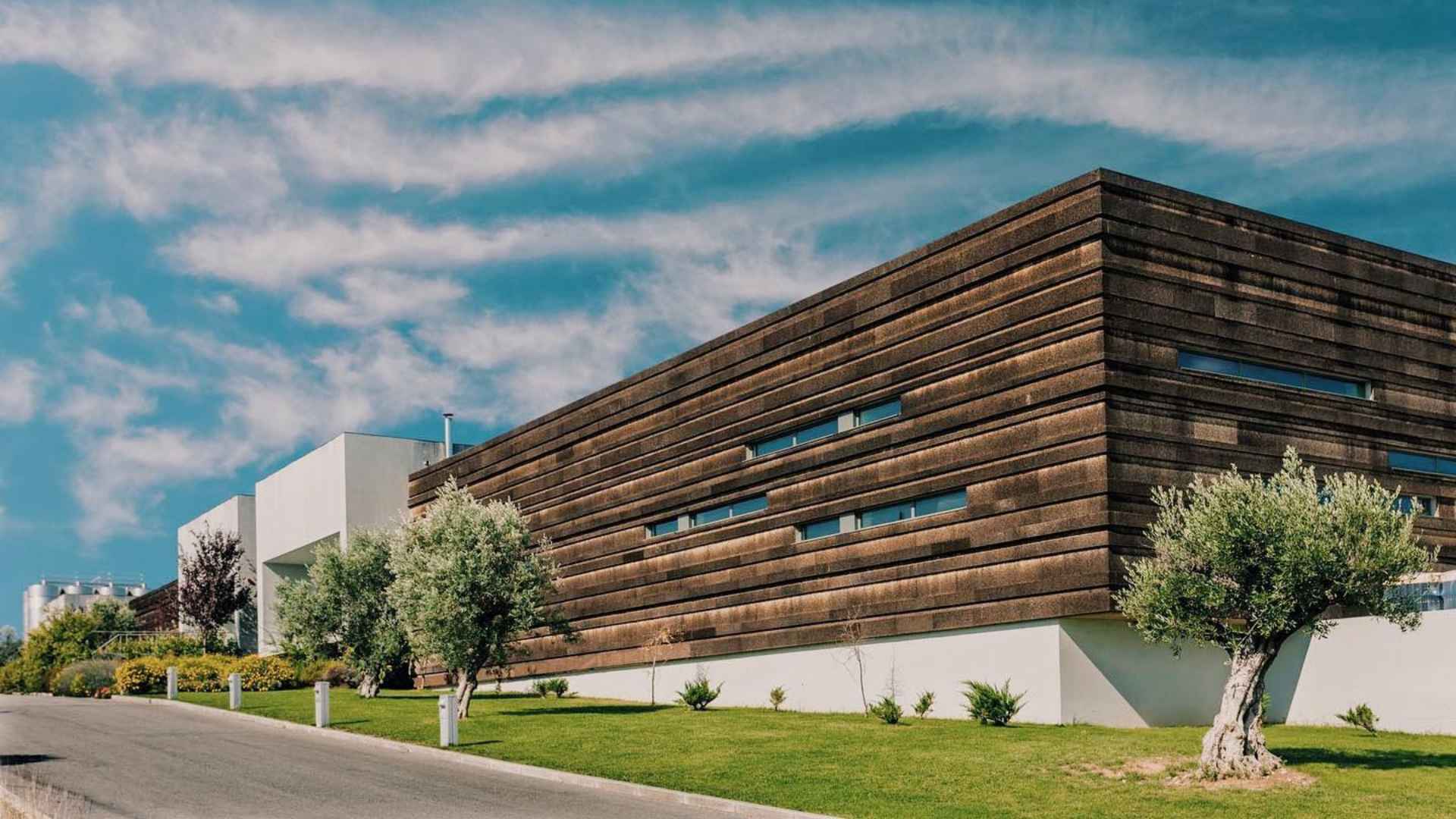
Experience Casa Relvas’ Alentejo Biodiversity Route at Herdade de São Miguel with a guided vineyard and cork oak forest tour, wildlife observation, and a tasting of five wines. The visit includes a 40-minute estate walk followed by a traditional Alentejo lunch with regional appetizers, a main course, dessert, coffee, and wines. Lasting three hours, the experience is available in English, Portuguese, and Spanish, and welcomes children.
Bodega Berroja - Txakoli, Nature and Landscape (Basque Country, Spain)
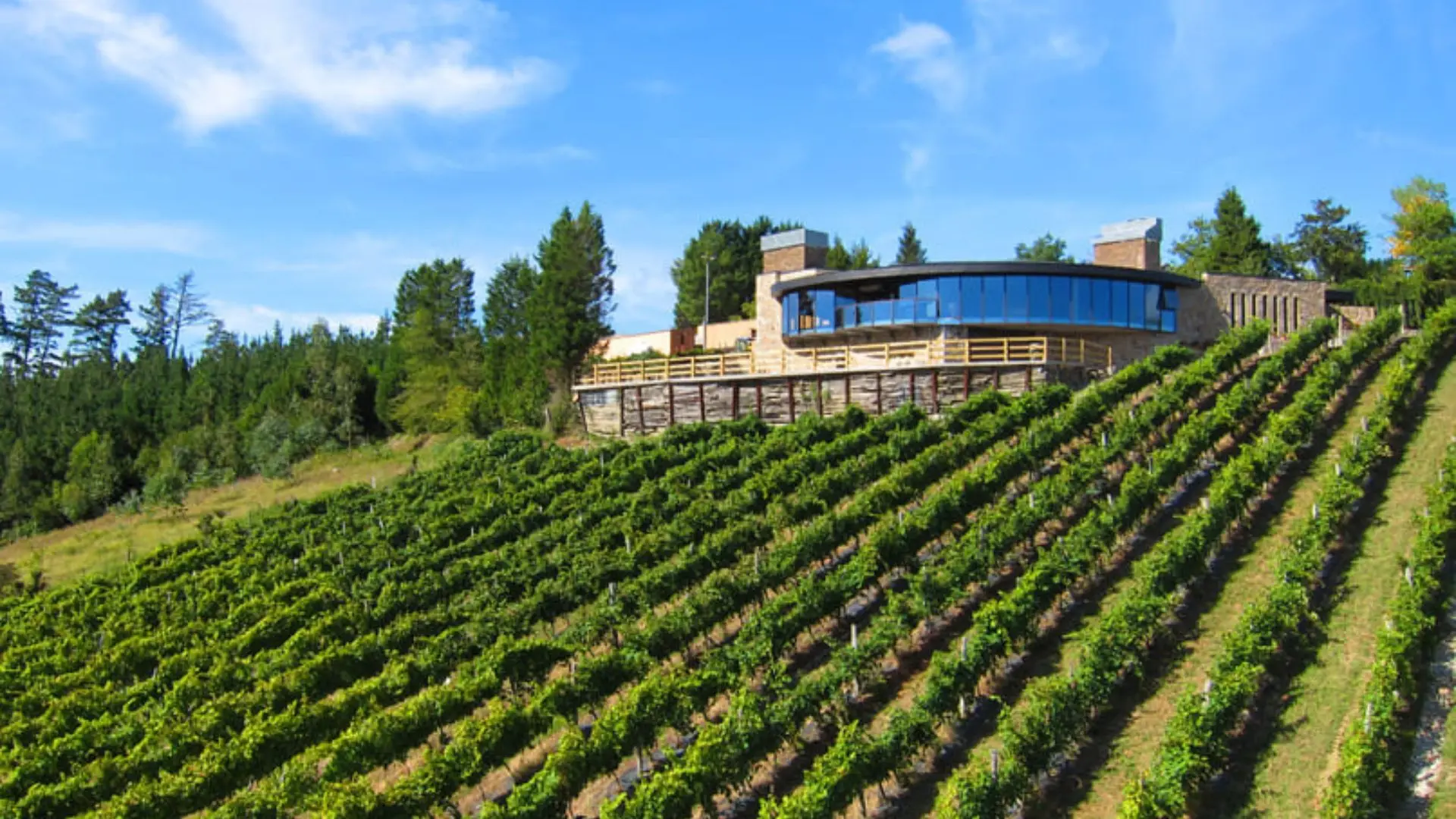
Visit Bodega Berroja, a txakoli winery set in the Urdaibai Biosphere Reserve, about 30 minutes from Bilbao, for a focused introduction to Bizkaiko Txakolina DO wines. The 1.5-hour private experience includes a guided walk through the vineyards with views over Urdaibai, a cellar visit covering the winemaking process, and a tasting of two signature white txakoli wines paired with local cheese. Available in Spanish and English, the tour welcomes children.
Full Day Private Tour to Saint-Emilion & Medoc (Bordeaux, France)
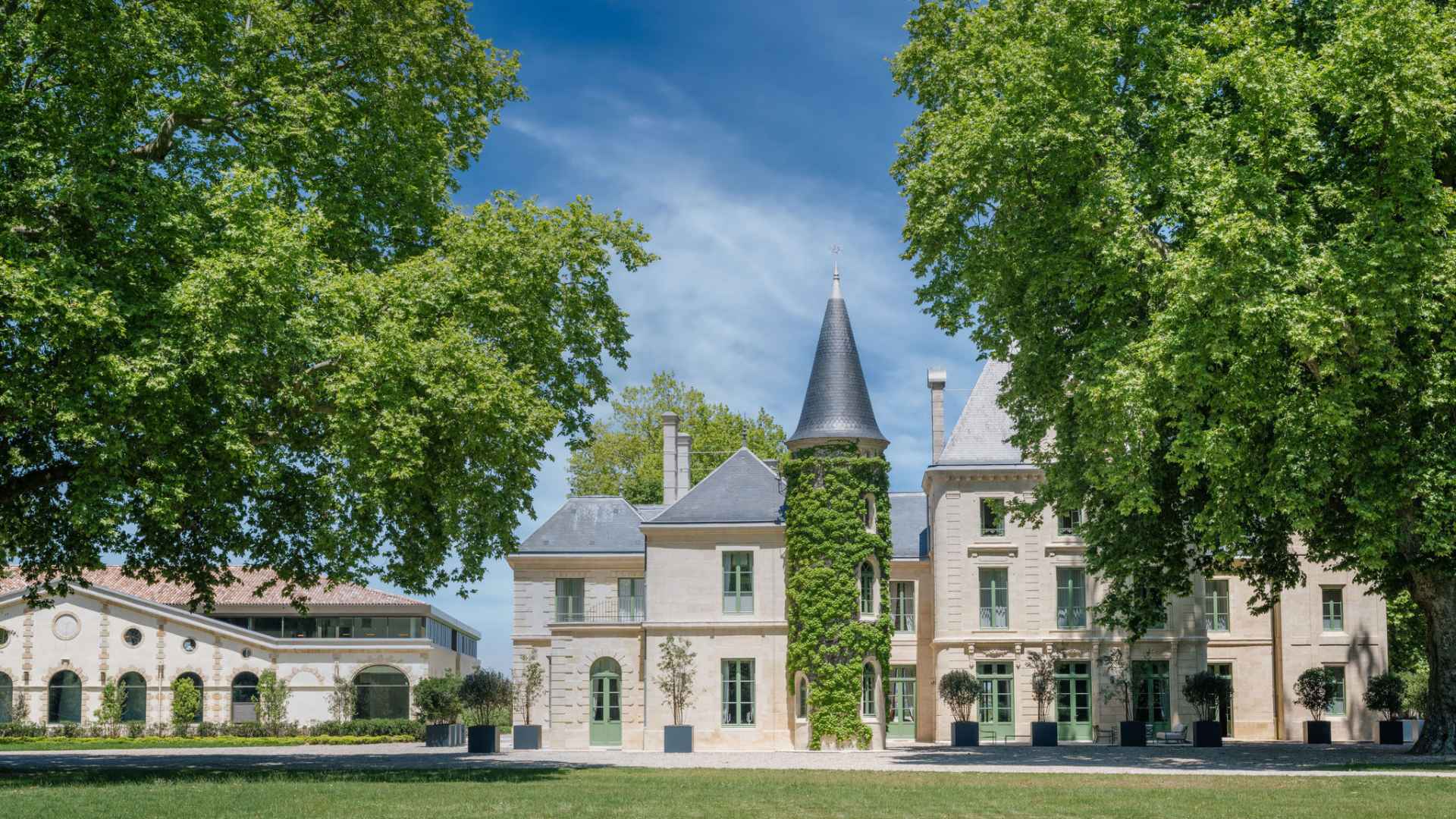
Enjoy a full-day private tour of Bordeaux’s two most prestigious wine regions, Saint-Émilion and Médoc, guided by a WSET-certified wine expert. The 8-hour experience includes a guided visit of the UNESCO-listed village of Saint-Émilion, private tastings at classified châteaux in both Saint-Émilion and Médoc, and a final tasting at a wine shop showcasing Bordeaux hidden gems, with approximately 10-12 wines in total. Travel is in a private, air-conditioned vehicle with hotel pick-up and drop-off, designed for small groups seeking an in-depth, premium wine and cultural experience.
Weingut FX Pichler - Wine Tasting (Lower Austria, Austria)
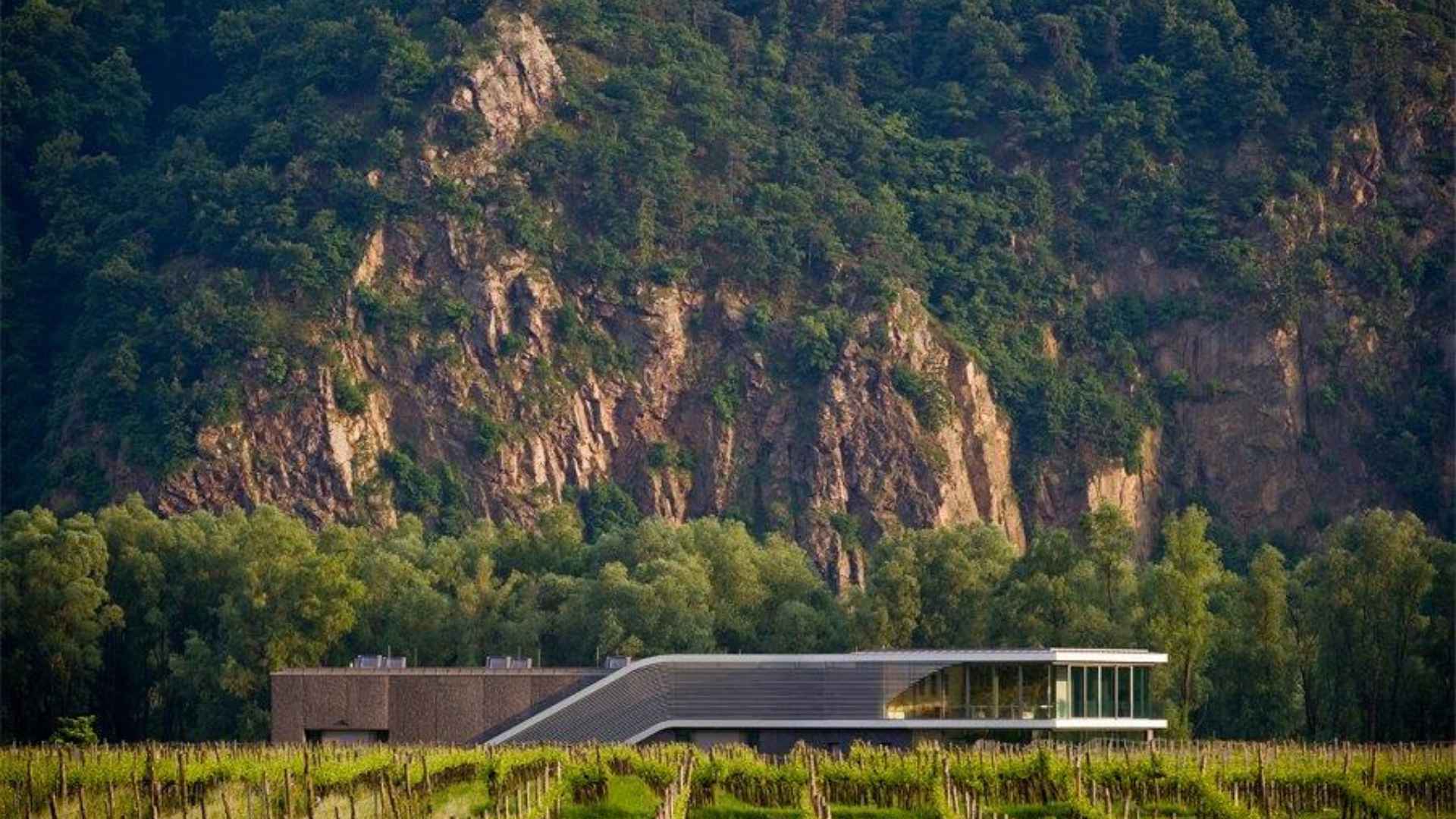
Discover six exceptional vintages of FX Pichler’s white wines in this 45-minute standing tasting in Lower Austria. The selection includes Grüner Veltliner and Riesling from top vineyard sites. The public tasting is led by wine experts in English and German, runs Monday to Saturday at 10:30 AM, and requires booking at least two days in advance. No cellar tours are offered.
Gikas - Art & Wine Experience (Attica, Greece)
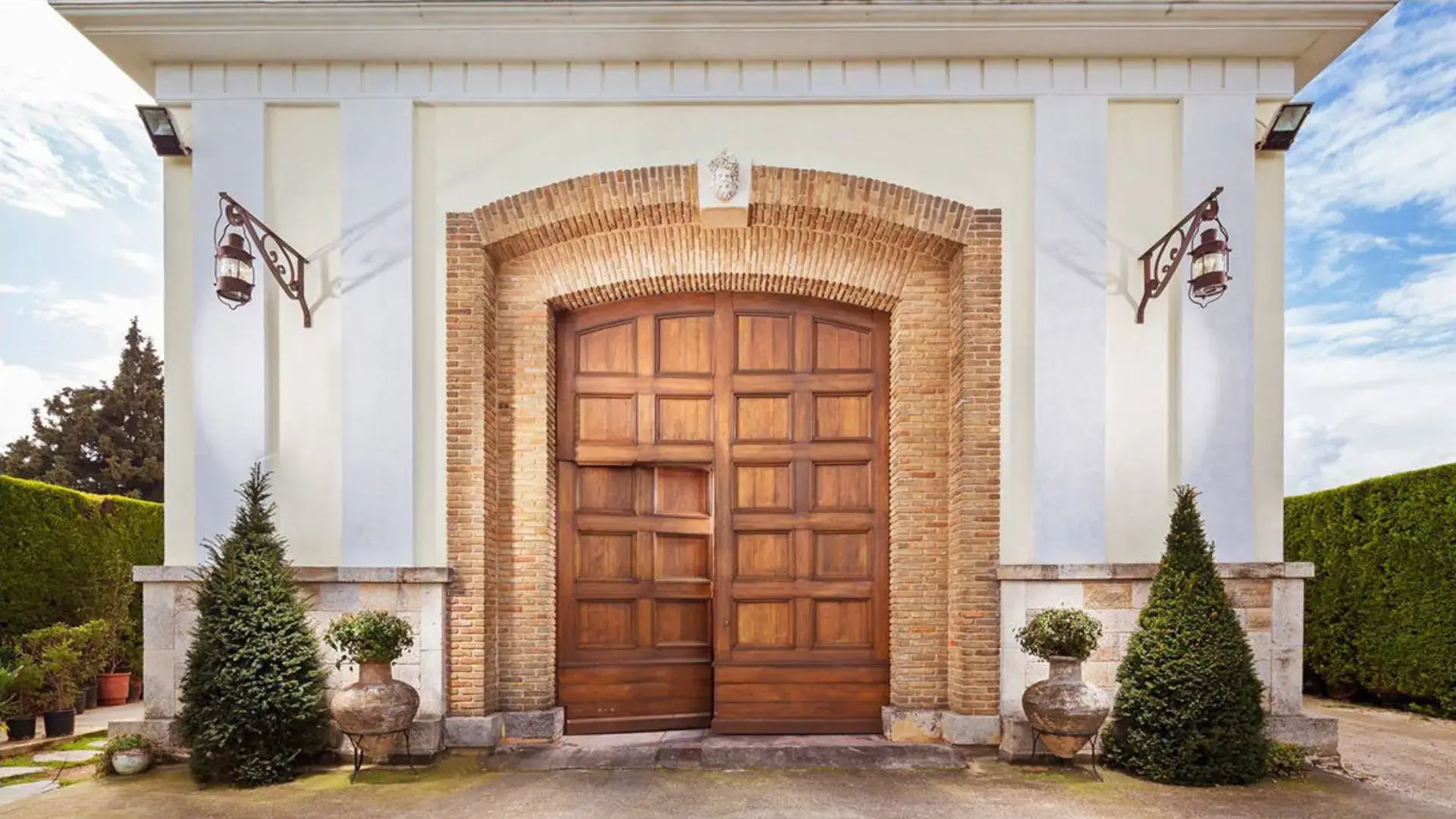
Enjoy a creative Art & Wine Experience at Gikas Winery in Attica, combining wine tasting, education, and hands-on artistic expression. The three-hour experience includes a guided winery tour led by an oenologist, a tasting of four wines paired with Greek cheeses and breadsticks, and a unique workshop where participants create art using wine as a medium. Available in English and Russian, the experience is open to private and public groups.
Camigliano - Winemaker for a Day (Tuscany, Italy)
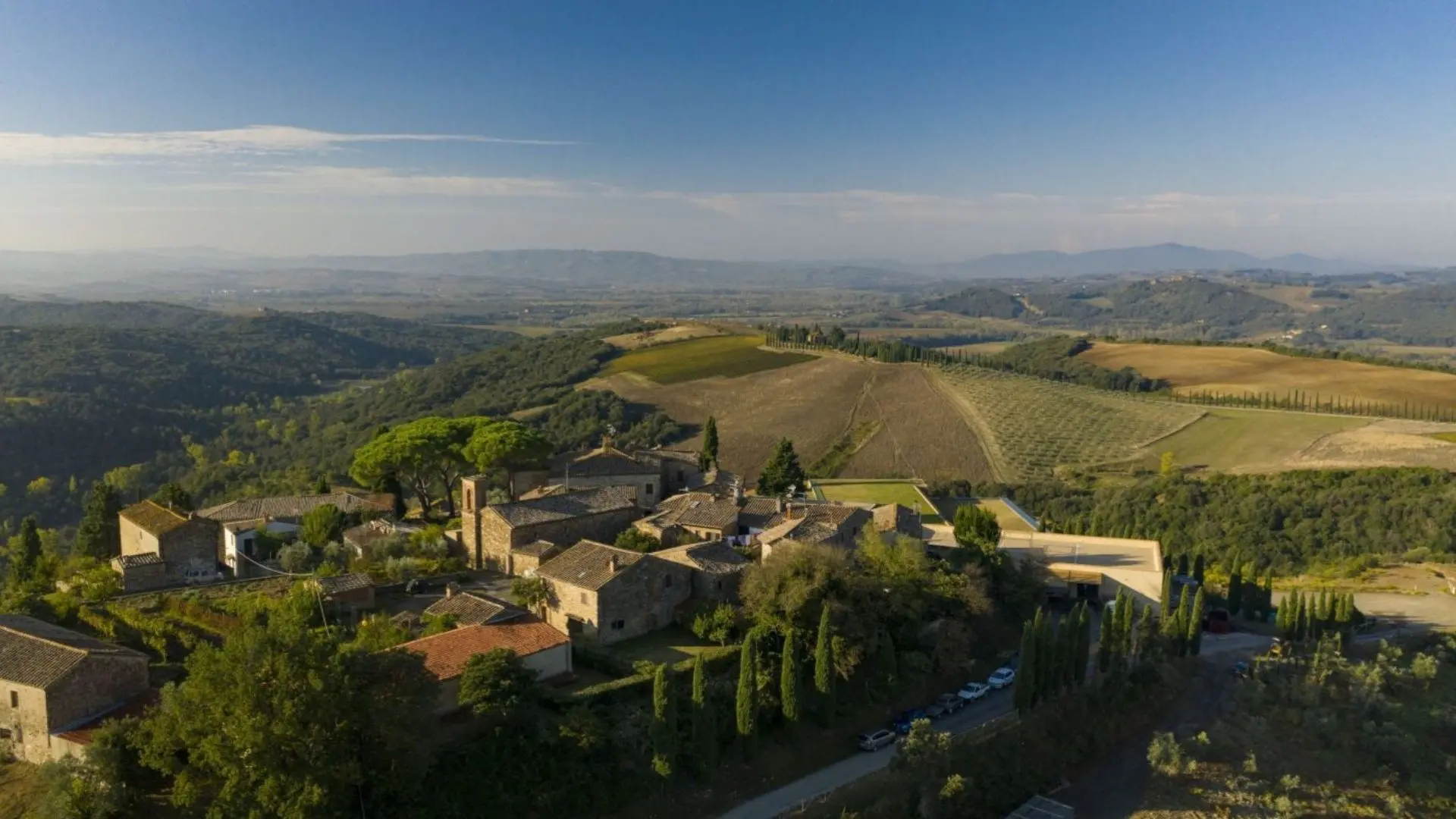
Become a winemaker for a day at Camigliano in Tuscany by crafting your own Sangiovese blend under expert guidance. This two-hour private experience includes tasting four of Camigliano’s Sangiovese selections from different vineyards, learning to distinguish their flavors, and creating a personalized blend. You’ll also taste the estate’s Rosso di Montalcino from the same vintage and take home a bottle of your custom wine. Available in English and Italian, the experience runs Monday to Friday at 10 AM.
Torleanzi Masseria Wine Relais - The Torleanzi Wine Experience (Apulia, Italy)
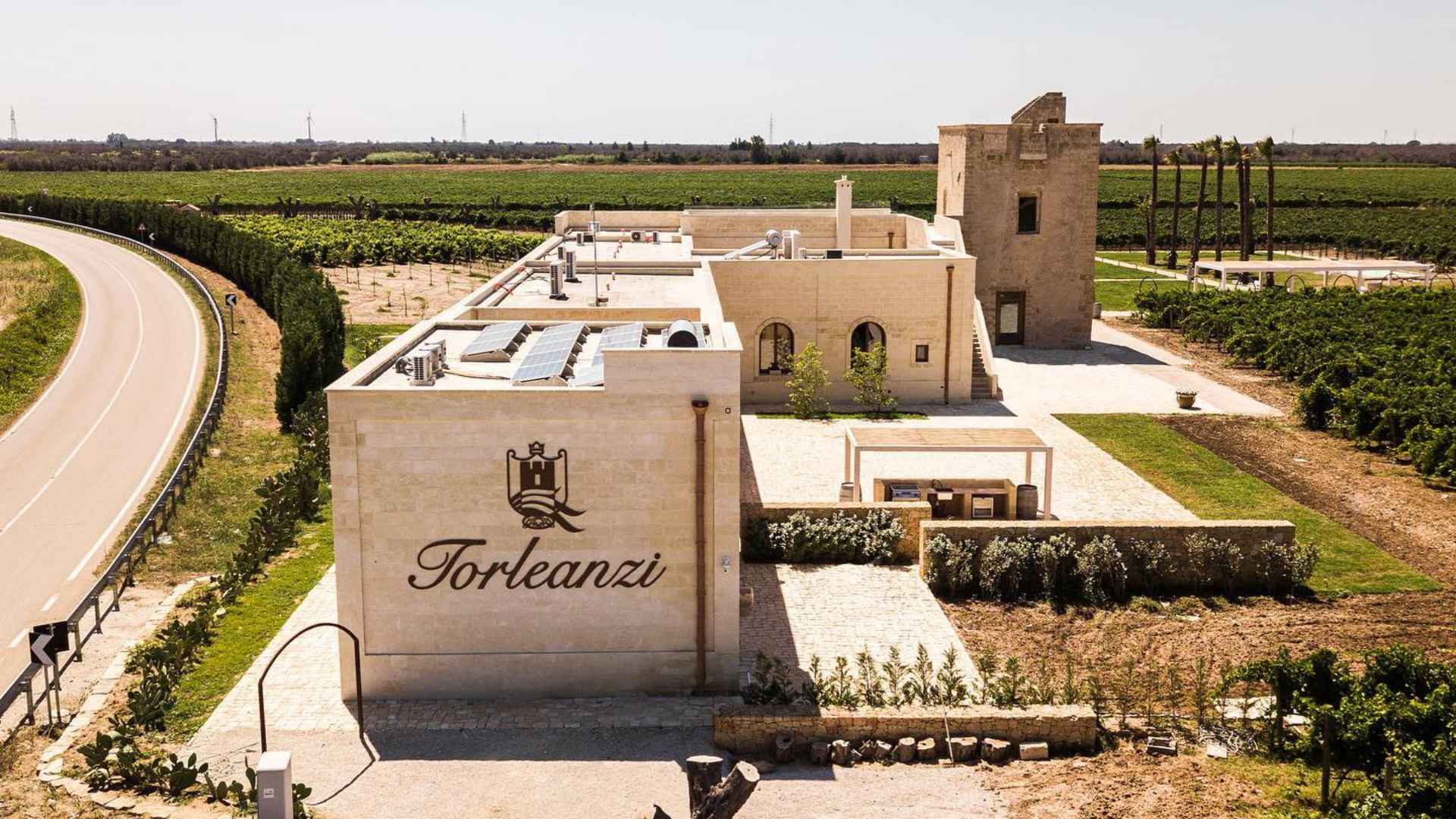
Experience the Torleanzi Wine Experience at a historic 15th-century estate in Apulia’s Salento region. This one-hour public tour offers a family-like atmosphere where you’ll learn about traditional local viticulture, the winery’s history, and regional stories. The tasting includes three native wines: Verdefian IGP Verdeca Fiano, Torleanzi PGI Negroamaro Rosé, and Torleanzi PGI Primitivo. Available in English, Italian, and Spanish.
Chiesa del Carmine - COOKING CLASS AT VINERIA DEL CARMINE (Umbria, Italy)
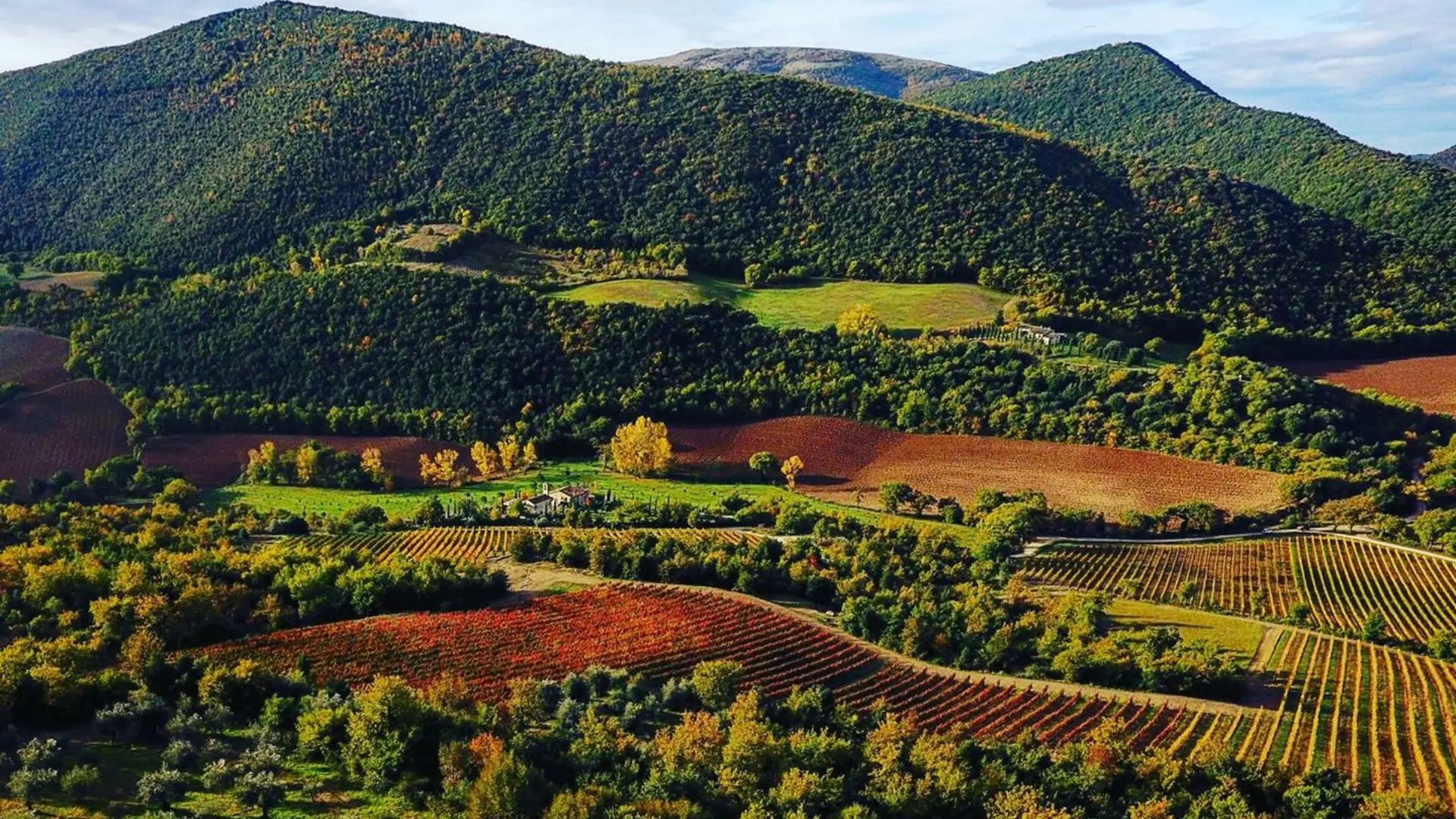
Join a hands-on cooking class at Vineria del Carmine in Umbria, led by the Chiesa del Carmine chef, and learn to prepare an authentic three-course Umbrian meal in a professional kitchen above the cellar door. The three-hour experience includes an aperitivo, a guided tasting of four organic wines paired by a sommelier, and a seated meal featuring the dishes you’ve prepared. Designed for small groups, the class is available in Italian and English, accommodates dietary requirements, welcomes children, and runs Monday to Saturday.
Two Hands Wines - Down the Garden Path (Barossa Valley, Australia)
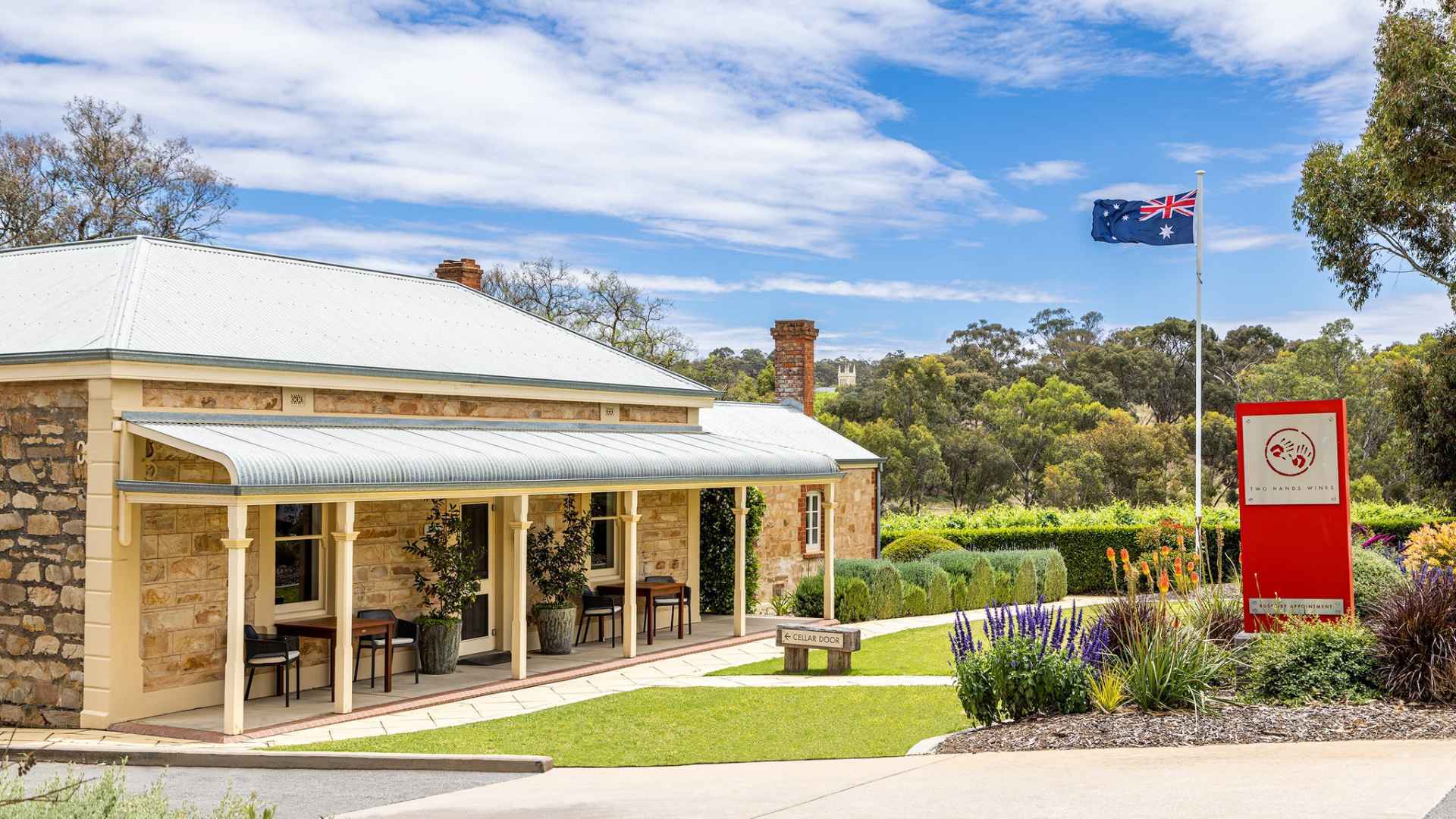
Experience Two Hands Wines’ Down the Garden Path tasting in the Barossa Valley, a focused exploration of Shiraz through a guided flight of seven wines. The 45-60 minute session features selections from the Garden Series alongside wines from the Picture, Single Vineyard, Showroom, and Flagship ranges, highlighting how terroir shapes Shiraz across Australia. Led by a wine expert in English or Chinese, the public tasting is limited to small groups, includes a surprise gift, and requires booking at least 24 hours in advance.
Adelaide Private Tour River Cruise & National Wine Center Lunch (Barossa Valley, Australia)
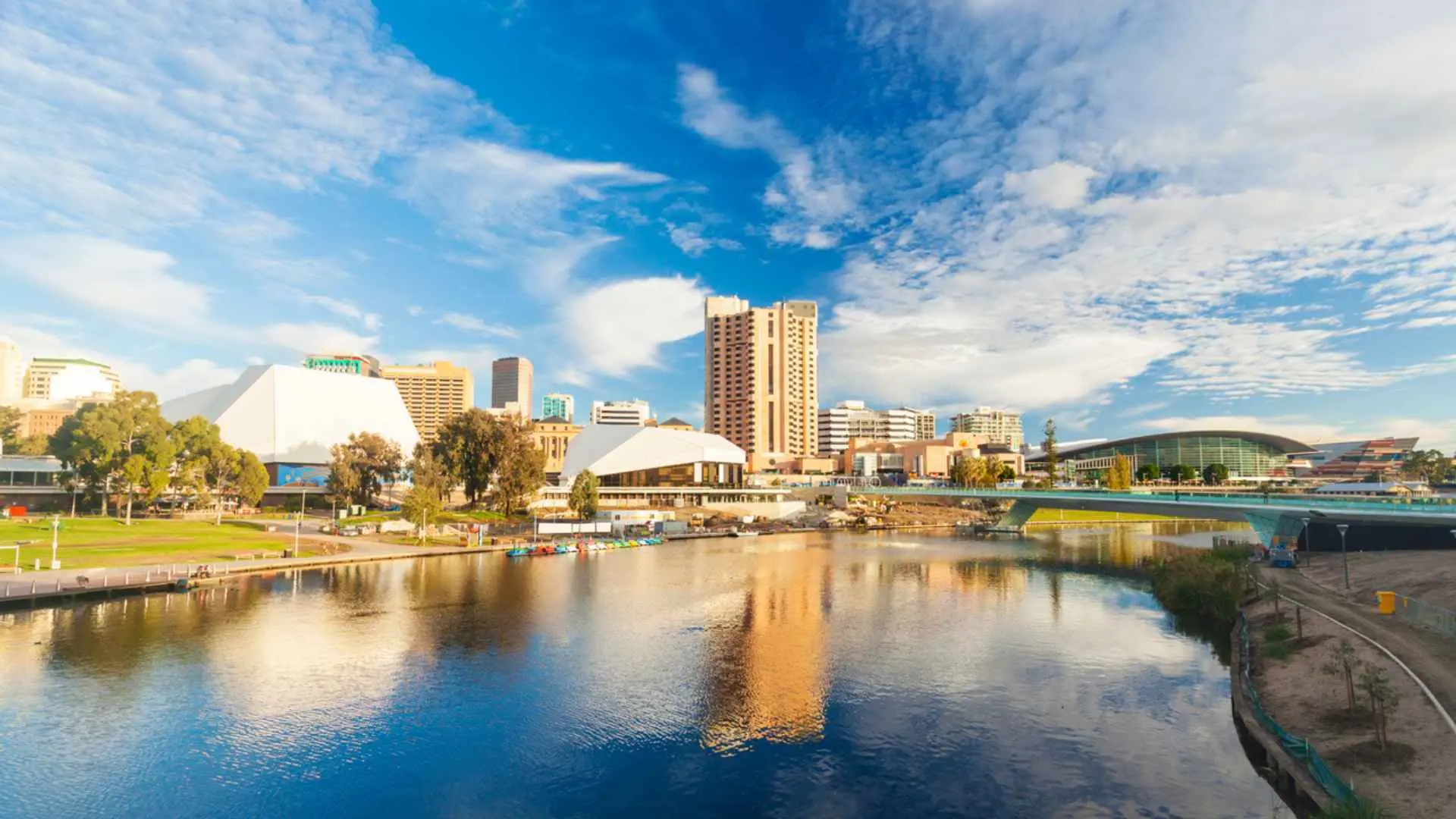
Discover Adelaide on a private, small-group day tour combining history, scenery, and fine food and wine. This 6.5-hour experience includes a guided walking tour of the city’s key landmarks, a relaxing River Torrens cruise aboard the historic Popeye, and a four-course 'feed me' lunch paired with premium South Australian wines at the National Wine Centre. With luxury chauffeured transfers, expert local guiding, and time to explore the Wine Discovery Journey, the tour offers a relaxed and dynamic introduction to Adelaide’s culture and culinary scene.
2026 as a Turning Point for Wine Tourism
Wine tourism in 2026 is about finding balance, between sustainability and sincerity, technology and tradition, premium value and personal relevance. Success won’t come from chasing trends, but from clarifying identity and designing experiences with true intention.
It’s no longer enough to simply open doors; wineries must invite guests in with genuine stories and meaningful connections. This shift in approach could well define the future of the global wine sector for the decade ahead.
Winera.com brings the future of wine tourism to your fingertips. Reserve winery visits and exclusive tours in just a few clicks. Connect directly with producers via direct-to-consumer models. Enjoy personalized visits and offers tailored to your preferences.
Hashtags:
#Winera #Travellier #wine #WineTrends #WineTourism #WineTourism2026 #CasaRelvas #Alentejo #BodegaBerroja #Txakoli #SaintEmilion #Medoc #WeingutFXPichler #GikasWinery #Camigliano #TorleanziMasseria #ChiesaDelCarmine #TwoHandsWines #BarossaValley #Adelaide #WineraAdventure