Oak has shaped wine for centuries. Yet its role today is more dynamic, technical, and data-informed than ever. Barrel aging is no longer only about aroma or texture. It is now a controlled process blending winemaking skills, chemistry, engineering, art and new thinking.
Understanding how oak works, and how modern tools reshape its impact, helps winemakers make sharper decisions. It also helps wine professionals, collectors, and curious drinkers decode what is in their glass.
Here is a clear and comprehensive look at how oak and barrel aging evolved, how it functions, and where it is heading.
Origins: Why Oak Became the Winemaker’s Partner
Romans used wooden barrels for transport, not flavor. Oak was durable, bendable, and widely available. Over time, merchants noticed something surprising. Wine stored in oak tasted different. Aromas softened. Textures broadened. Tannins shifted.
By the Middle Ages, coopers specialized in producing tight-grained oak barrels. France and Central Europe became the main hubs for this expertise. Burgundians refined the use of smaller barrels. Bordeaux producers experimented with longer aging. Central European regions favored slow-oxygenation casks that lasted decades.
Oak moved from ‘container’ to ‘tool.’ Winemaking changed with it. Flavors, textures, and time itself became variables winemakers could shape.
Why Oak Matters: The Three Core Functions
Oak aging influences wine through oxygen, phenolic exchange, and flavor transfer. Understanding these three mechanisms is key.
A. Micro-oxygenation
Barrels allow tiny amounts of oxygen to enter. This softens tannins in red wines. It stabilizes color. It rounds edges that would feel harsh if the wine aged only in stainless steel. Oxygenation also helps yeast lees break down in white wines. This creates a creamy feel without sweetness.
B. Phenolic exchange
Oak itself contains tannins. These oak tannins integrate into the wine. They add grip and a subtle backbone. This is most influential in young reds and structured whites.
C. Flavor transfer
Oak offers a wide range of aroma compounds. The most notable include:
- Vanillin (vanilla)
- Eugenol (clove)
- Furfural (caramel or toast)
- Lactones (coconut, depending on oak origin)
Toasting level intensifies or shifts these aromas. Light toast brings fresh wood and spice. Medium and medium-plus toast add vanilla, caramel, and warm baking notes. Heavy toast brings darker, smoky tones with hints of char and coffee.
These effects can be dialed up or toned down depending on the winemaker’s goals.
Oak Sources: How Forest and Species Shape Wine
Not all oak is equal. Grain, density, and species change how a barrel interacts with wine.
- French Oak (Quercus robur & Quercus petraea)
Tight grain. Slow oxygenation. Elegant tannins. Used for Pinot Noir, Chardonnay, and refined Bordeaux blends.
- American Oak (Quercus alba)
Wider grain. Higher lactone content. Stronger vanilla and coconut notes. Ideal for Zinfandel, Rioja, and certain full-bodied reds.
- Hungarian and Slavonian Oak
Medium grain. Balanced spice and structure. Popular for Chardonnay, Furmint, and modern Bordeaux-style blends.
Matching oak origin with wine style is now a precise choice. Today’s top producers treat oak selection as a strategic decision that directly shapes a wine’s identity. Understanding these differences allows winemakers to target clarity, balance, and intent with remarkable accuracy.
Toasting: The Winemaker’s Dial for Texture and Aroma
Barrel toasting controls how wood aromas develop.
- Light Toast: fresh wood, sharper tannin
- Medium Toast: vanilla, spice, balanced texture
- Medium+ Toast: caramel, toast, rounder mouthfeel
- Heavy Toast: smoke, coffee, char - less tannic structure
Toasting also affects oxygen exchange. Heavier toast means fewer tannins but deeper aromatics.
Modern coopers now use infrared scanners, heat sensors, and controlled burners for consistent toasting. This level of precision did not exist even 20 years ago.
Barrel Size: The Math of Surface Area
Barrel size determines how intensely oak influences wine.
- 225L (Bordeaux barrique): more oak impact
- 228L (Burgundy barrel): subtle differences in extraction
- 300-500L: gentler influence, slower development
- Large casks (1,000-5,000L): neutral impact, ideal for long aging
Large oak vats have re-emerged as winemakers seek purity and a lighter oak influence. The goal is to achieve structure without imposing additional flavors.
This shift reflects a growing preference for freshness and transparency in modern wine styles.
Aging Time: Balance, Not Length
Long aging is not always beneficial. Wine absorbs oak quickly in the first months. After that, oxygenation becomes the primary factor.
Typical ranges:
- Whites: 6-12 months
- Reds: 12-24 months
- High-tannin reds: up to 36 months
But the trend is changing. Many producers reduce barrel time to preserve fruit purity. Others blend barrel and stainless-steel components for clarity and texture. The modern approach is flexible, not formulaic.
- The Rise of Hybrid Aging Systems
Several innovations challenge the idea that barrels must be traditional. Large oak vats have re-emerged as winemakers seek purity and a lighter oak influence.
- Concrete Eggs and Amphorae
Smooth temperature control. Gentle convection currents. No wood flavors. Predominantly used for Sauvignon Blanc, Chardonnay, and aromatic reds.
- Oak Alternatives
Staves, chips, and spirals provide controlled oak influence with lower costs and environmental impact. Many wineries use them during fermentation to build structure early.
- Micro-oxygenation Machines
These systems inject tiny, measured oxygen doses into steel tanks. This mimics slow barrel oxygenation without oak flavors.
- Hybrid Vessels
Stainless-steel tanks fitted with oak inserts and concrete vessels lined with neutral oak staves provide customizable extraction with a minimal footprint. Modern approaches now allow winemakers to fine-tune oak influence without relying exclusively on traditional barrels.
- Sustainability: The New Driver of Barrel Decisions
Forests must be managed carefully. A single high-quality French oak barrel requires decades of growth. Demand is rising, and the industry now faces pressure to adapt.
Sustainable developments include:
- selective harvesting
- extended life of large oak casks
- recycled or re-coopered barrels
- laser scanning for optimal wood use
- oak alternatives for lower-impact aging
Consumers also influence this trend. Many prefer wines with lower oak signatures and cleaner profiles. This creates incentives to use fewer new barrels and more neutral or hybrid vessels.
Data, Sensors, and Digital Tools: The Modern Oak Revolution
Today’s cellars rely on data as much as tradition. Tools include:
Barrel tracking with RFID chips
RFID chips (Radio-Frequency Identification chips) are small electronic devices used to store and transmit data wirelessly through radio waves. Each chip contains a microchip (with information) and an antenna (for communication). Winemakers monitor:
- age
- toast level
- forest origin
- usage cycles
- repair history
Sensor-equipped barrels
Smart bungs measure various parameters in real time, giving winemakers continuous insight into what’s happening inside each barrel:
- temperature
- humidity
- oxygen levels
- ullage volume
This reduces risk and improves consistency.
AI-supported blending decisions
Machine-learning tools analyze:
- flavor impact
- tannin evolution
- oxygenation curves
- optimal cooperage choices
This tech helps winemakers predict outcomes more accurately than ever. Oak is no longer a guess. It is measurable, trackable, and fully optimizable.
Practical Tips for Winemakers and Wine Professionals
For Winemakers
- Match oak grain to grape variety.
- Choose toast level based on desired texture, not just aroma.
- Test hybrid systems when cost or sustainability is a factor.
- Monitor barrels regularly to prevent over-oaking.
- Consider mixed aging (barrel + stainless + concrete) for balance.
- Track and document how each barrel performs from vintage to vintage.
For Sommeliers and Retail Professionals
- Use oak signatures to guide pairing suggestions.
- Read barrel details on tech sheets to understand style.
- Educate customers about differences between flavor from oak vs. flavor from fruit.
- Highlight producers who use sustainable cooperage practices.
For Consumers
- ‘Vanilla, toast, coconut, smoke’ often signal oak aging.
- Wines with high acidity often benefit from neutral oak or larger casks.
- Try side-by-side tastings of oaked vs. unoaked versions of the same variety.
- Explore regions experimenting with modern oak alternatives for fresh, clean styles.
Experiencing Oak’s Influence: Winera Wine Tours & Tastings
To illustrate how various oak-aging philosophies play out in real wineries, here are wine experiences from Winera that reflect different approaches to aging, coopering, and wine culture.
Tenuta Sette Ponti - The Super Tuscans (Tuscany, Italy)

Experience the essence of Tuscany at Tenuta Sette Ponti, home of the legendary Super Tuscans. Wander through the historic 90-year-old vineyards with breathtaking Chianti hill views, explore the atmospheric cellar filled with the scents of wine and oak, and savor a guided tasting of three award-winning wines; including Crognolo, Vigna dell’Impero, and Oreno. Paired with artisan focaccia and traditional cured meats and cheeses, this 1.5-hour journey invites you to discover the Moretti Cuseri family’s passion and vision. Book now to taste Tuscany’s finest.
Castello Di Albola - ALBOLA EXPERIENCE PREMIUM (Tuscany, Italy)

Step into the heart of Tuscany with a guided journey through Castello di Albola’s lush vineyards, the storied ancient Borgo, and its historic cellars. As you walk through this timeless estate, your guide will share the history, traditions, and winemaking skills that define Albola’s winemaking heritage, setting the stage for a great tasting experience.
Your visit concludes with a premium tasting of four Estate Crus; each expertly paired with authentic Tuscan dishes prepared by the estate’s Chef. From the crisp Poggio alle Fate Chardonnay to the distinguished Chianti Classico Gran Selezione wines and the iconic Vin Santo, every pour unmistakably reflects the soul of the region.
Massimo Rivetti - Vineyards and Cellar Tour with Food & Wine Pairing (Piedmont, Italy)

Discover the heart of Piedmont at Massimo Rivetti, where 60-year-old vineyards and a historic cellar reveal the region’s deep winemaking heritage. Your visit begins with a guided walk through the estate’s organic vineyards, learning how the family cultivates their land with care and respect. In the cellar, you’ll explore the aging rooms and gain insight into every step of the winemaking process, where each wine slowly develops its character.
The experience continues in the tasting room, where five organic wines are paired with traditional Piedmontese dishes in a warm, family-friendly atmosphere. With expert guidance, thoughtful pairings, and an authentic sense of place, Massimo Rivetti invites you to savor Piedmont’s flavors at their finest.
Torleanzi Masseria Wine Relais - Sommelier Wine Experience (Apulia, Italia)

Experience the full taste of Apulia at Torleanzi Masseria Wine Relais with our Sommelier Wine Experience. Over two hours, a professional sommelier will guide you through a tasting of six exquisite Torleanzi wines, from crisp whites and delicate rosés to robust reds, paired perfectly with Apulian baked goods like tarallini, olives, local cheeses, cured meats, and the estate’s own extra virgin olive oil. This great journey invites wine lovers to savor the rich flavors and heritage of the region.
Perugia Winery Visit & Tasting near the Lake Trasimeno (Perugia, Umbria, Italy)

Nestled in the rolling hills near Lake Trasimeno, this family-run Umbrian winery invites you to discover over a century of winemaking tradition shaped by sustainability and deep respect for the land. Explore sun-kissed vineyards and a historic barrel cellar where wines mature slowly in French oak barrels. With 12 hectares of organically cultivated vines, including Merlot, Sangiovese, Cabernet Sauvignon, Grechetto, Chardonnay, and Trebbiano Toscano, the estate showcases the rich diversity and character of Umbria’s terroir.
Your 90-minute visit includes a guided walk through the vineyards, a tour of the winery, and a tasting of six carefully crafted wines paired with bruschetta, local olive oil, and regional cheeses and cold cuts. Enjoy a journey where winemaking skill, nature, and flavor come together just minutes from Perugia.
Urban Petrič - Tasting of 6 Wines and a Brandy with Domestic Cold Meat Platter (Vipava Valley, Slovenia)
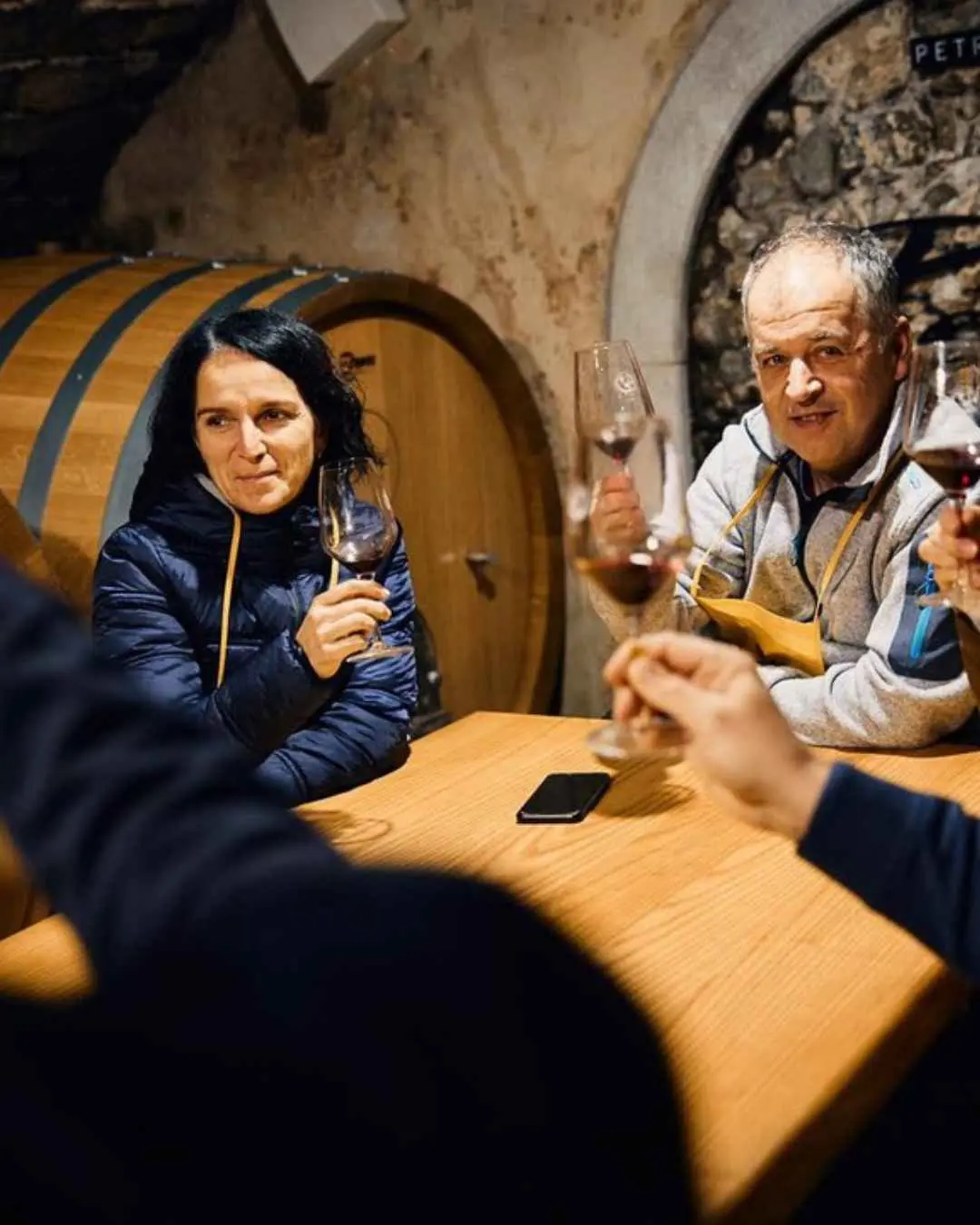
Step into the charm of Urban Petrič’s historic 1778 wine cellar for an authentic tasting experience. Sample six distinctive wines, including the region’s native Zelen and Pinela, alongside a house-made brandy, all paired with locally crafted cheese and cured meats. As you explore the cellar, you'll hear stories of the valley’s rich winemaking heritage.
Ideal for individuals and small groups, tastings take place in the atmospheric original cellar, while larger groups can enjoy the experience in the welcoming tasting room. Come taste the diversity of Vipava Valley wines and enjoy an authentic slice of Slovenian tradition.
Matošević - ‘PREMIUM’ tasting (Istria, Croatia)
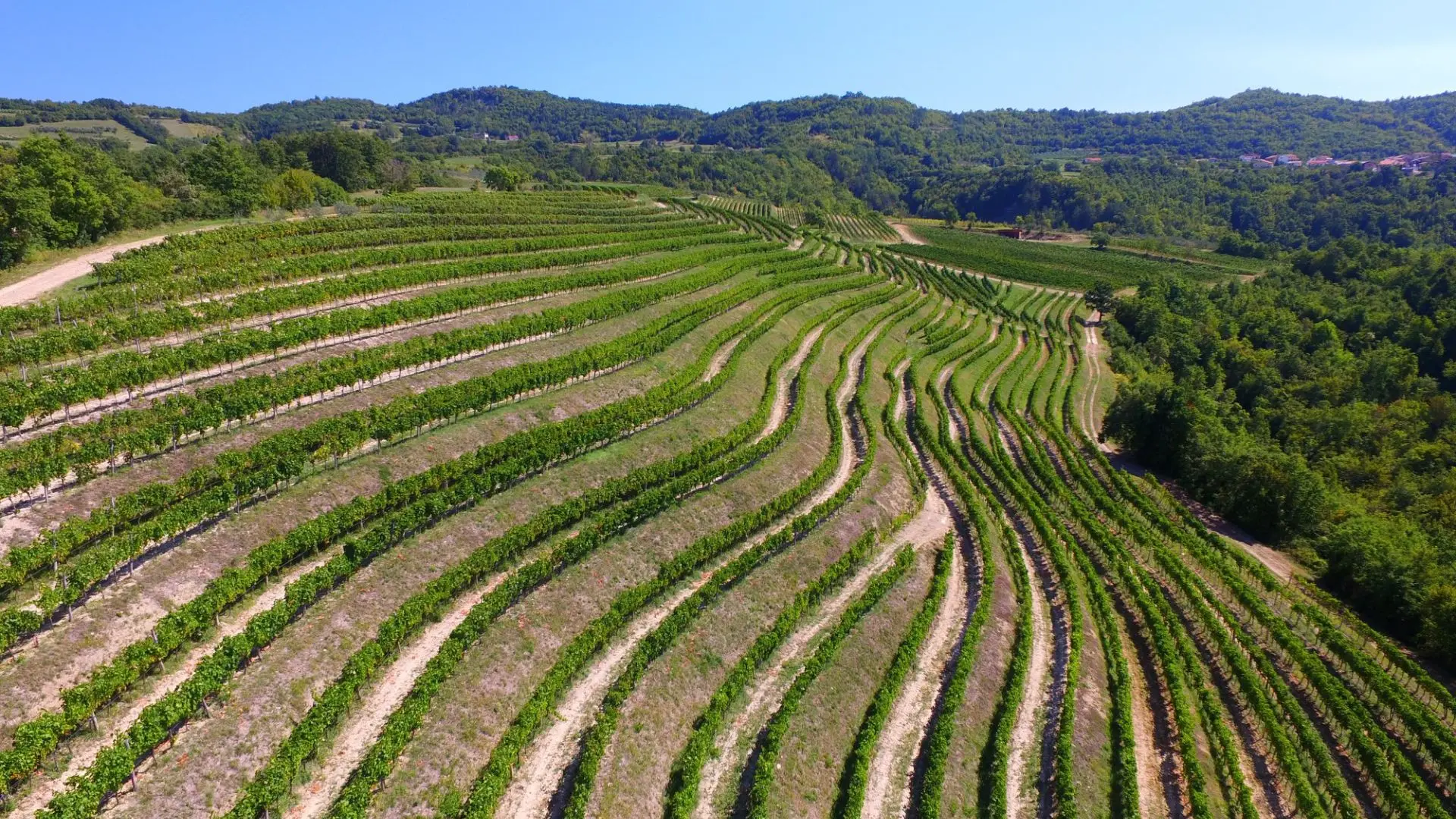
Enjoy a classic tasting of five wines from fresh Malvasias to aged blends. Learn about wine production and Istria’s long tradition with WSET-certified guides. The experience includes a tour of the production facility and cellar, tasting local wines paired with regional food. Suitable for families and pets. This comprehensive tour offers a clear insight into the unique grape varieties and rich heritage of the Istrian wine region.
Zvonko Bogdan - Lux Wine & Deli (Palić, Serbia)

Experience the elegance of Zvonko Bogdan Winery in Palic with a 3.5-hour guided tour of the cellar and production facilities. Learn the history and story of the winery from expert guides, followed by a tasting of six wines from the Classic, Premium, and Icon lines. Enjoy a premium menu featuring international specialties paired with a wine platter in the refined setting of the Lux Hall. The experience includes a bottle of wine from the Classic or Premium line to share.
Wine Cellar Popovi - Premium Wine Tasting (Tikveš, North Macedonia)

Experience premium wine tasting at Wine Cellar Popovi in Tikveš, North Macedonia. Enjoy a cellar tour with stories of the winery’s history and winemaking process, followed by a tasting of five award-winning wines from the premium line. The tasting is paired with prosciutto, cheese, Macedonian ‘banik’ (old-fashioned savory pastry), and traditional sweets. The 2-hour experience is guided by the winemaker. Accommodation and breakfast are available onsite.
Bodegas Mocen - Visit Bodegas Mocen, Culture, Art and Wine (Castilla and Leon, Spain)

Begin your journey in an enchanting Castilian courtyard, where tradition lives in every stone and the past feels close enough to touch. Discover the original historic wine press, explore the state-of-the-art winery, and learn how centuries-old techniques blend seamlessly with modern craftsmanship. As you descend into the underground galleries, dating back to the 15th and 16th centuries, the Mudejar brick arches and cool, silent corridors reveal the hidden soul of Castilian winemaking. Your visit concludes with a guided tasting of three exceptional wines paired with artisanal cheeses, the great finale to this sensory journey through history, art, and winemaking.
Artesa Winery - Wine Tasting with the Stars (Napa Valley, California, US)
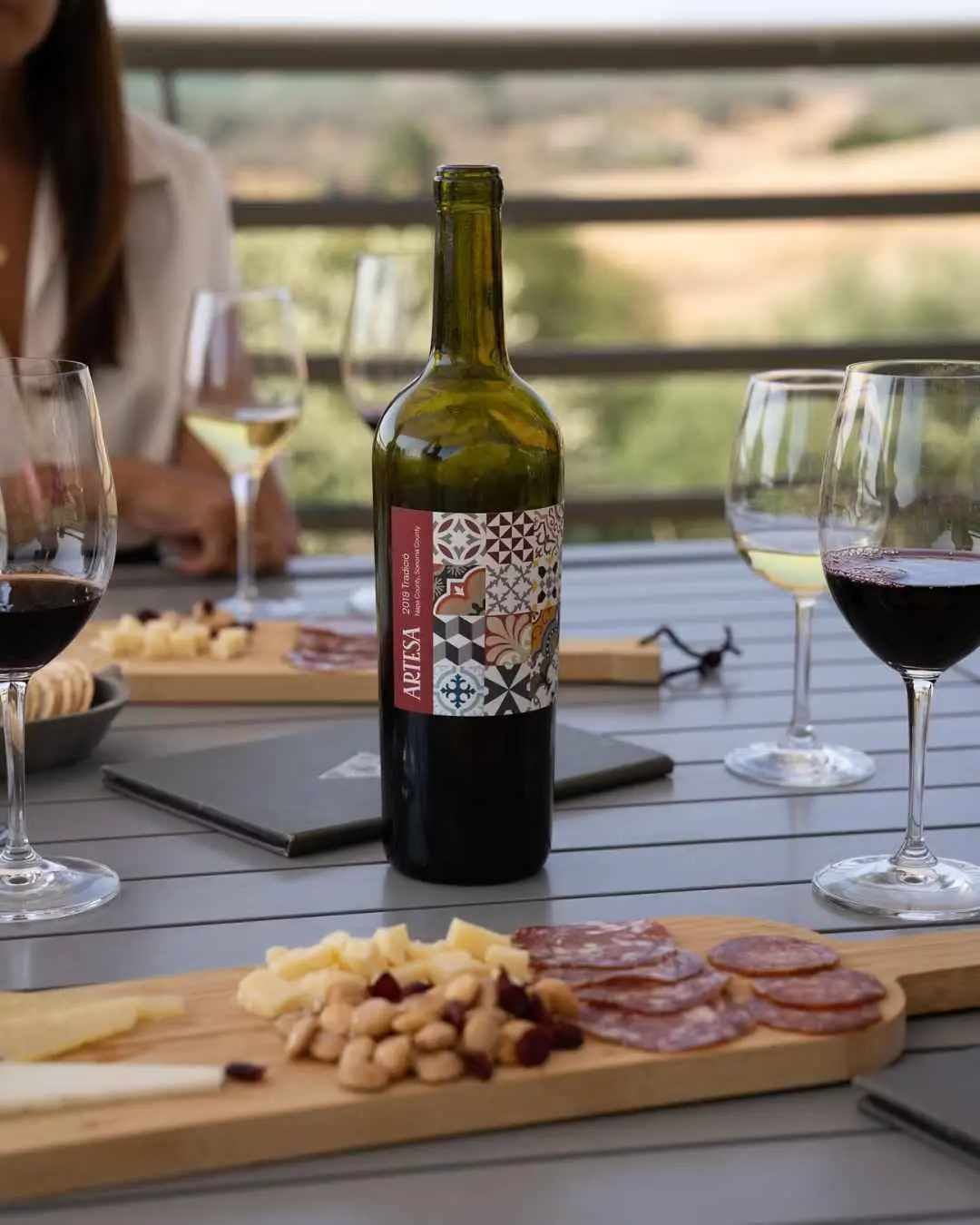
Discover Artesa Winery in the heart of Napa Valley, where Spanish heritage meets California cool. Sip five premium wines, explore the award-winning architecture, and enjoy the ultimate pairing: authentic Jamón Ibérico crafted to elevate every tasting note. Perched on a Carneros hillside with sweeping views of the vineyards and San Pablo Bay, Artesa blends a 460-year winemaking legacy with modern Napa elegance.
These diverse Winera wine tours showcase how tradition and oak aging shape distinctive wine experiences around the world. From Italy’s historic estates to Slovenia’s biodynamic vineyards, Croatia’s regional heritage, and Napa Valley’s modern charm, each visit offers a unique glimpse into the art of winemaking. Whether savoring Super Tuscans or exploring local varieties, these tastings invite wine lovers to deepen their appreciation for oak’s influence and the passion that defines each winery.
The Future: Precision, Purity, and Choice
Oak and barrel aging remain essential, but the mindset has shifted. It’s no longer about ‘more oak’ or ‘less oak.’ It’s about control.
Modern wineries combine centuries of expertise with advanced analytics, sensors, sustainable forestry, and cutting-edge vessels to achieve clarity, structure, and harmony in every wine. Whether through a 200-year-old cask or a sensor-equipped new barrel, oak remains one of the most powerful tools in winemaking. Its evolution is far from over, and its future will be shaped by data as much as by tradition.
Through Winera, our clients can easily reserve winery visits or wine tours with just a few clicks, experiencing this seamless blend of heritage and progress firsthand.
Hashtags:
#Winera #Travellier #wine #TenutaSettePonti #CastelloDiAlbola #MassimoRivetti #TorleanziMasseria #PerugiaWinery #UrbanPetrič #Matošević #ZvonkoBogdan #WineCellarPopovi #BodegasMocen #ArtesaWinery #OakAging #BarrelAging #OakBarrels #OakInfluence #WineTours #WineTasting #WineExperience