Common Misconceptions Every Wine Lover Should Know
Wine culture, for all its beauty, history, and technical sophistication, is weighed down by many myths, beliefs repeated so often that they begin masquerading as unassailable truths. These myths shape how people buy, store, and evaluate bottles without ever being questioned. However, a closer look at viticulture, winemaking science, and sensory analysis quickly exposes how fragile these long-held assumptions actually are.
Many persistent myths survive because they appeal to the desire for simple rules in a world full of variables. Climate interacts with soil in ways that defy easy categorization, and grape varieties express themselves differently depending on tiny agricultural decisions. Even the most seasoned tasters must navigate a spectrum of sensory adaptation, personal memory, and cultural preference.
Debunking these myths is not just an academic exercise. It helps drinkers experience wine with sharper awareness and fewer preconceptions. This leads to a much richer appreciation for the nuances that truly matter.
Myth 1: ‘Expensive Wine is Always Better’
Does Expensive Wine Mean Better Quality? Understanding Wine Pricing Myths
The belief that higher price correlates directly with superior quality overlooks the complex ecosystem that determines cost long before flavor enters the conversation. Vineyard land prices, especially in heritage-protected regions, frequently dwarf farming expenses, meaning that bottles from certain appellations carry price tags shaped more by real-estate scarcity than intrinsic sensory merit.
Marketing budgets, architectural tasting rooms, and allocation-driven hype often inflate value perception as well. Meanwhile, numerous small-scale growers, who prune aggressively to favor fruit concentration, harvest by hand and ferment with meticulous oversight, produce wines of astonishing refinement at prices kept intentionally accessible.
Blind tasting panels repeatedly demonstrate that drinkers, including trained professionals, often rate mid-priced wines as highly as elite vintages when brand information is concealed. Quality is real, but price is not a reliable shorthand for it.
Myth 2: ‘Old Wine is Better Wine’
Old Wine vs. New Wine: Which Ages Better and Why?
The fascination with aging has become so romanticized that many people assume time is a universal enhancer. The truth is that only a small fraction of wines are chemically structured to benefit from long maturation.
Most wines are crafted for near-term drinking, optimized for fresh primary aromas, vibrant acidity, and a textural profile meant to be consumed within a few years. Aging requires a precise interplay of tannin, acid, and phenolic compounds, coupled with deliberate winemaking choices like minimal oxygen exposure and controlled extraction.
Without these attributes, a wine does not evolve, it simply fades, losing the very qualities that made it attractive. Even age-worthy wines do not follow predictable trajectories; they soften, deepen, or sometimes collapse unexpectedly. Time is an ingredient, not a guarantee, and reverence for old bottles should be accompanied by a clear understanding of what maturity actually brings and whether the specific wine was designed to reach it.
Myth 3: ‘Red Wine Should Never Be Chilled’
Should You Chill Red Wine? Serving Temperature Myths Explained
The idea that chilling red wine is a violation of etiquette ignores both sensory logic and centuries of precedent in regions where ‘cellar temperature’ traditionally meant something far cooler than most modern dining rooms. Serving temperature directly influences aromatic volatility, tannin perception, and balance. Slightly cooler temperatures can tame overly warm alcohol notes, sharpen red-fruit aromas, and make energetic, lighter-bodied reds far more expressive.
Varieties with delicate structure, Gamay, Pinot Noir, Frappato, Zweigelt, among others, often reveal more precision and lift when served cool. Even fuller-bodied reds can benefit from modest chilling in warm climates where a glass left on the table quickly becomes soupy. The rule is simple: serve wine at a temperature that enhances its character, not at one dictated by tradition detached from context.
Myth 4: ‘Sulfites Are the Cause of Wine Headaches’
Sulfites in Wine: Separating Fact from Fiction on Wine Headaches
Sulfites have been cast as villains largely because warning labels create a halo of fear, but these compounds are nothing more than preservatives used in concentrations far lower than those found in many dried fruits. The scientific literature indicates that headaches triggered by sulfites are exceedingly rare and typically associated with severe allergies, not ordinary consumption.
A far more plausible explanation for wine-related discomfort includes biogenic amines, histamine sensitivity, dehydration and the cumulative effects of alcohol itself. Wines with low sulfite use are not inherently more ‘natural’ or healthier; they simply rely on different stability strategies that may or may not suit every palate. Demonizing sulfites obscures the real factors behind adverse reactions and deters exploration of otherwise compelling wines.
Myth 5: ‘Wine Should Smell Like Fruit to Be Good’
Why Wine Doesn’t Always Smell Like Fruit: Exploring Wine Aromas Beyond Fruitiness
A surprising number of drinkers assume that wines lacking overt fruitiness are flawed or inferior, when in reality many of the most revered bottles in the world express themselves through layers of minerality, earthiness, botanical depth, and umami-driven savor. Aromatic purity does not always manifest as exuberant fruit; sometimes it presents as restrained tension, stony austerity, or the quiet complexity of tertiary notes, dried leaves, forest floor, leather, and subtle spice, that emerge through fermentation or aging.
Grapes are merely vessels for translating terroir, and fruit is only one of many registers in the symphony of wine aromas. Reducing quality to fruit intensity is like judging an orchestra solely on the volume of the violins. Appreciating wine requires recognizing the full range of its aromatic and flavor expressions beyond just fruit.
Myth 6: ‘Wine Ratings Tell You What You’ll Like’
How Reliable Are Wine Ratings? Understanding Wine Scores and Personal Taste
Scores and reviews, though often produced with rigor, reflect the preferences, experience, and calibration of individual tasters. Two critics may evaluate the same wine with dramatically different lenses: one prioritizes structure and cellar potential, while another values immediate charm or aromatic intricacy.
Furthermore, ratings tend to favor styles that deliver intensity, concentration, and power, profiles that perform well in competitive comparative tastings but may not align with the preferences of someone who favors elegance, delicacy, or low-alcohol poise. Treat ratings as maps, not commandments: they are helpful for surveying a region but cannot predict your personal destination!
Myth 7: ‘Only Certain Grapes Are Serious’
The Truth About ‘Serious’ Grapes: Discovering Unique Indigenous Varieties
Cultural prestige often elevates a small handful of grape varieties, Cabernet Sauvignon, Pinot Noir, or Chardonnay, as inherently noble or superior. This hierarchy, however, has less to do with the intrinsic qualities of these grapes and more to do with historical momentum, global planting trends, and market forces that have reinforced their status over time.
Meanwhile, hundreds of overlooked indigenous grape varieties exist around the world, each offering unique textures, acidity levels, and aromatic profiles. Varieties like Assyrtiko from Greece, known for its vibrant minerality and natural acidity; Tannat from southwest France and Uruguay, prized for its robust tannins and aging potential; and Nerello Mascalese from Sicily, which delivers an intriguing balance of red fruit and volcanic earthiness, are gaining recognition for their exceptional qualities. Many of these grapes thrive in very specific microclimates, perfectly suited to their biological needs and producing wines with distinctive characters that are rarely replicated by more famous varieties.
Dismissing these lesser-known grapes as ‘less important’ severely narrows the scope of wine exploration and deprives drinkers of the opportunity to experience wines that challenge conventional ideas about complexity and flavor. True wine education requires curiosity at the edges, adopting diversity and the unexpected, rather than blind loyalty to a short list of celebrity varieties.
Myth 8: ‘Wine and Food Pairing Has Only One Right Answer’
Wine and Food Pairing: Why There’s No One-Size-Fits-All Answer
People often approach wine pairing as if it were a rigid equation, ignoring that taste is deeply subjective and shaped by cultural background, personal sensitivity, and even the emotional context of the meal. While certain principles, such as acidity cutting through fat, sweetness balancing spice, or tannins clashing with delicate fish, are grounded in chemistry, they serve more as flexible frameworks than mandatory rules.
Pairing truly thrives on experimentation: surprising and delightful combinations can emerge when contrasting textures create unexpected harmony, or when regional traditions offer pairings that defy textbook logic but have delighted generations of diners. Ultimately, good pairing is not about following strict rules; it’s about enhancing the overall experience with thoughtful intention.
Explore Authentic European Winery Tours & Tastings with Winera: From Burgundy to Sicily’s Historic Vineyards
Set out on a global journey through some of the world’s most celebrated wine regions, where tradition meets innovation and passionate winemakers invite you to explore their craft. From the sun-drenched vineyards of Sicily and Tuscany to the historic cellars of Burgundy and the rolling hills of Catalonia, each experience offers a unique blend of culture, history, and exceptional wines. Whether you’re making your own blend, discovering organic gems, or enjoying captivating wine tastings, these tours provide great moments that deepen your appreciation for the art of winemaking.
Quattrocieli - Morning Tour with a Sicilian Winemaker: A Wine Lover's Dream (Sicily, Italy)
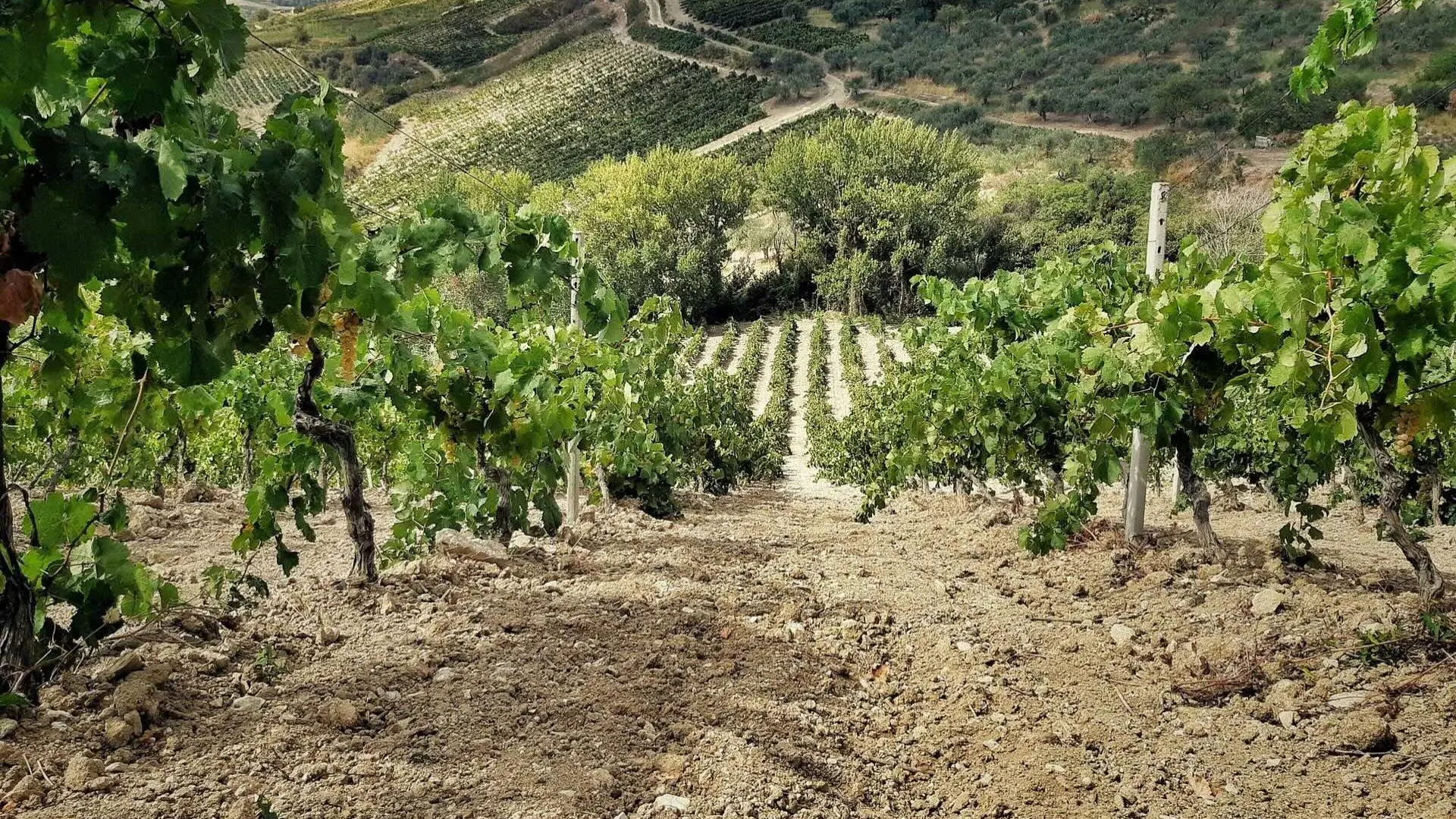
Step into the sun-kissed magic of Sicily with a morning adventure at Quattrocieli. Explore the winery’s storied cellars and watch the artistry of wine come alive as you learn how it evolves from barrel to glass. Guests are treated to a tasting of four exceptional wines alongside a traditional Sicilian aperitif bursting with local flavors that capture the island’s soul. To top it all off, step into the winemaker’s shoes with a hands-on bottling and labeling experience, creating a personalized keepsake that celebrates the heart of Sicilian heritage. This journey blends culture, creativity, and the spirit of Sicily into a great experience.
Camigliano - Winemaker for a Day (Tuscany, Italy)
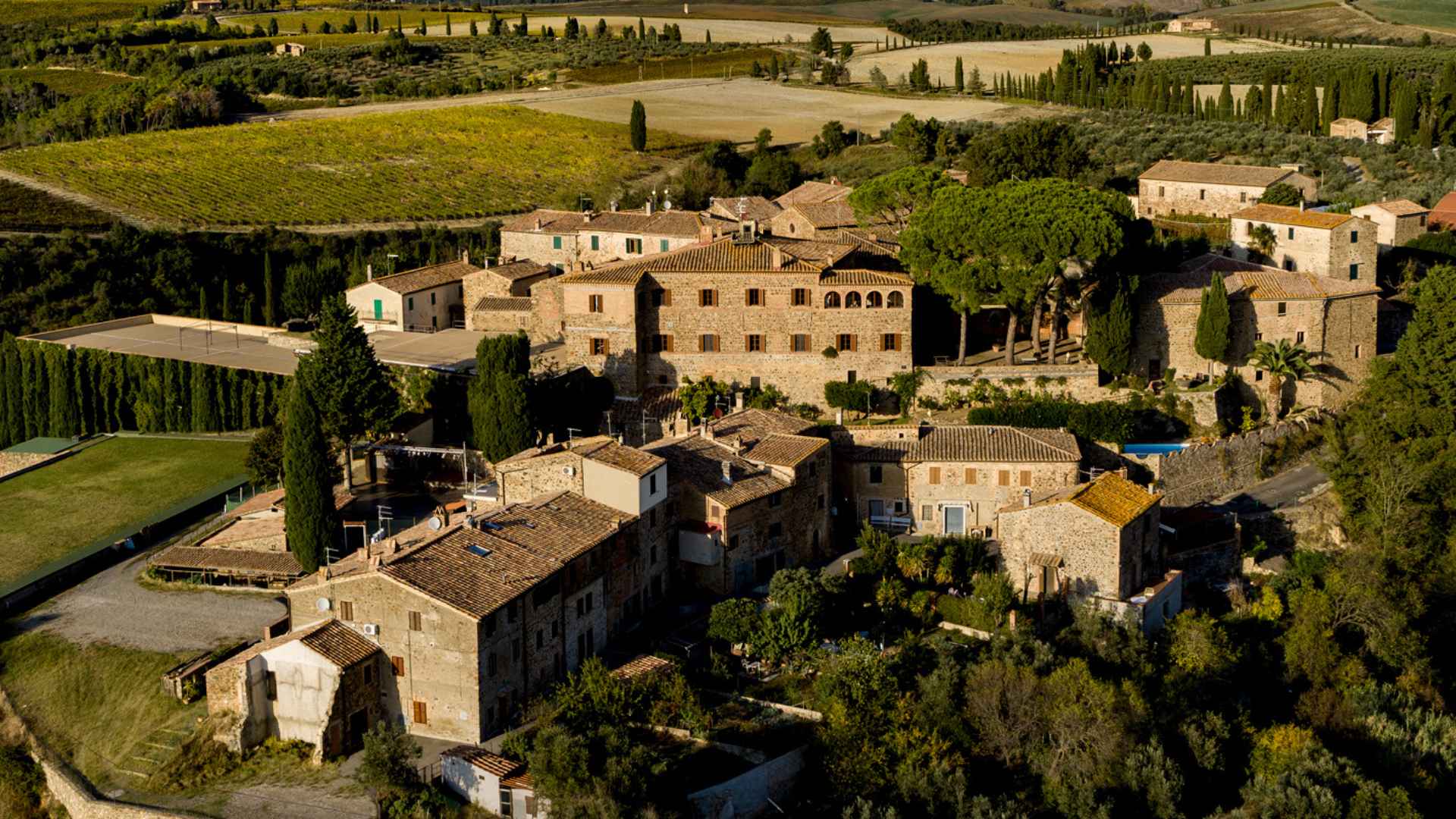
Discover the heart of Tuscany at Camigliano, where the art of winemaking comes to life through a hands-on blending journey. Guided by the estate’s expert winemaker, guests explore the unique personalities of Sangiovese grapes grown across different vineyards, learning how subtle variations in soil and climate shape each wine’s character. After comparing and analyzing the estate’s finest selections, you’ll craft your own custom Sangiovese blend, an expressive creation bottled for you to take home as a personal keepsake. You’ll also enjoy a tasting of their Rosso di Montalcino from the same vintage, adding a glimpse into Camigliano’s Tuscan winemaking craft.
Tuscan Classics Tasting Class in Siena (Tuscany, Italy)
Experience the essence of Tuscan wine culture with a lively 2-hour tasting class in the heart of Siena’s old town. Led by an English-speaking local expert, this relaxed, informative session introduces Tuscany’s iconic wine regions as you explore six classic local wines paired with savory and sweet bites. In an air-conditioned tasting room just steps from the Duomo, you’ll uncover stories, traditions, and winemaking methods while learning how to swirl, smell, and compare different styles. It’s a fun, engaging way to understand what makes Tuscany’s grapes, soils, and history so celebrated.
Chianti Winery Tour with VR & Blind Tasting near Florence (Tuscany, Florence, Italy)
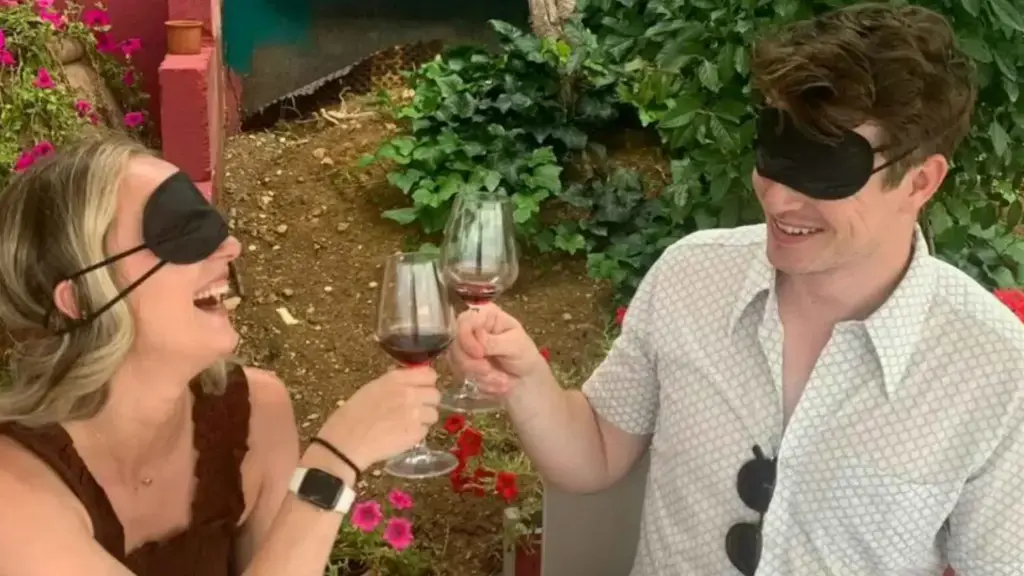
Discover the charm of the Chianti hills with a sensory-rich tour that blends tradition, technology, and hands-on exploration. Learn how careful farming shapes exceptional grapes, then step inside the cellar for an engaging audiovisual experience that uses video mapping, spatial sound, and animated historical figures to bring Tuscany’s wine heritage to life. Along the way, olfactory stations help you sharpen your scent-recognition skills before taking part in a guided blind tasting of four wines, an activity that focuses on aromas, textures, and pure sensory perception.
Saint-Emilion & Pomerol: Chateaux, Tastings, Lunch & WSET-certified Guide (Bordeaux, France)
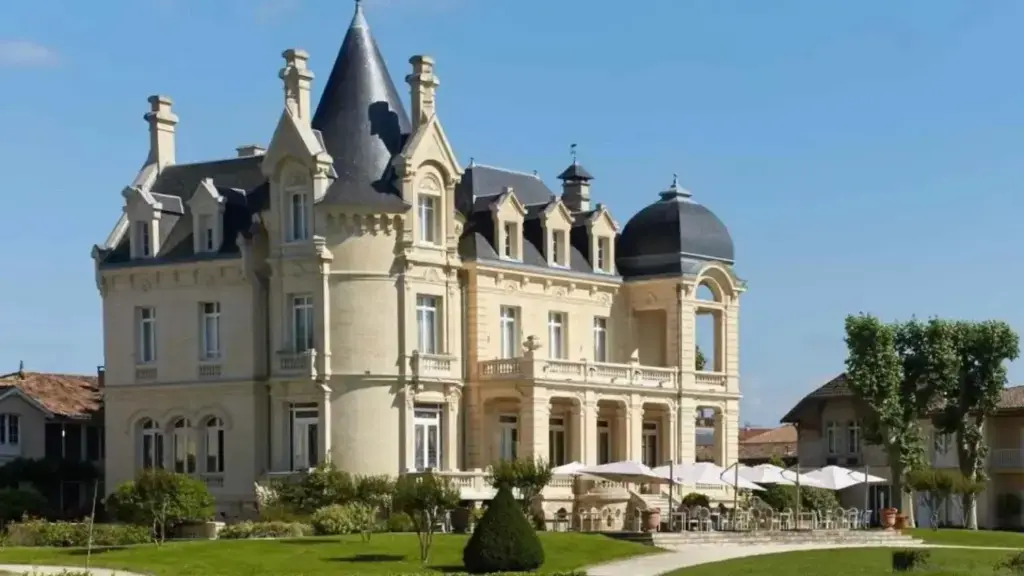
Set out on a captivating journey through the legendary landscapes of Saint-Émilion and Pomerol, exploring medieval lanes, Grand Cru Classé châteaux, and some of Bordeaux’s most iconic vineyards. Guided by a WSET-certified expert, you’ll uncover the village’s history, wander its UNESCO-listed streets, and step inside prestigious estates to learn how their wines are crafted from vine to cellar. Enjoy a relaxed picnic lunch at a charming château and continue the adventure with a second winery visit, where curated tastings highlight the unique character of each appellation. It’s a lively blend of culture, scenery, and winemaking tradition.
Domaine de Cromey - 2-Hour Burgundy Wine Tasting Class in Historic Cellars (Burgundy, France)
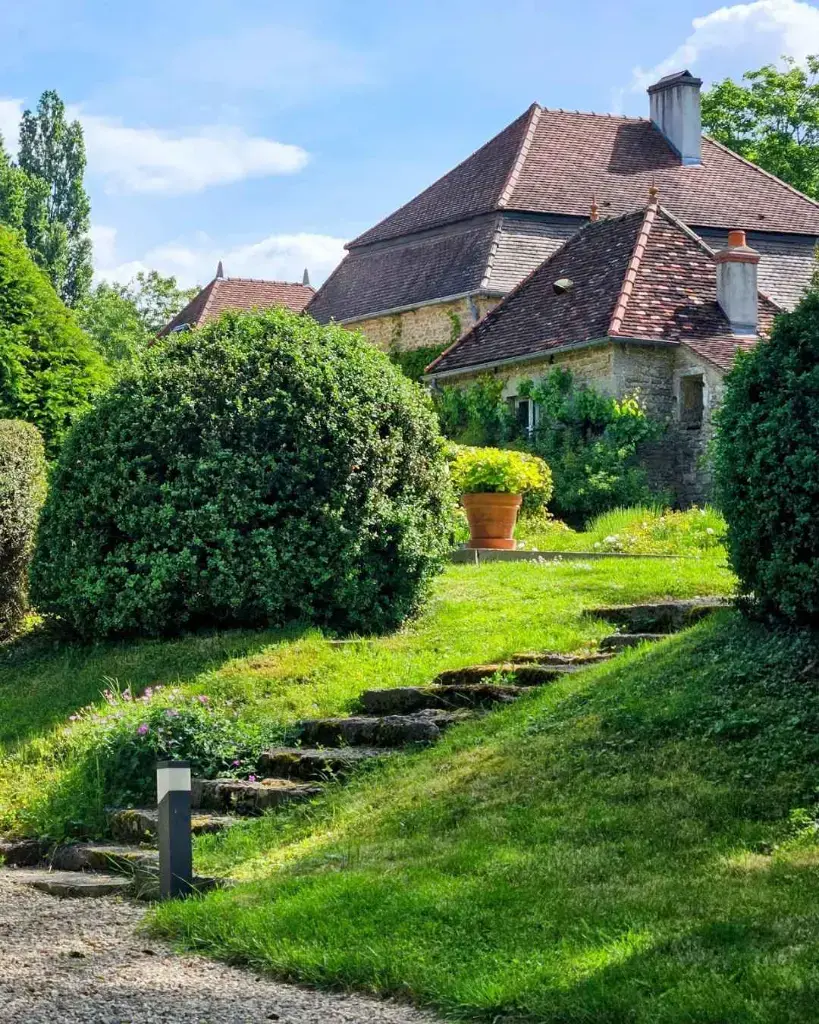
Experience the essence of Burgundy with a unique 2-hour wine tasting at Domaine de Cromey, set in charming 16th-century cellars. Begin with four exquisite white wines before moving to a selection of four robust reds in the inviting Caveau Tasting Room. Complement your tasting with a delicious plancha of local charcuterie and cheese, highlighting the region’s culinary delights. Whether you’re a wine enthusiast or just starting your journey, this class blends education with enjoyment, covering Burgundy’s distinctive terroir, winemaking traditions, and rich history.
Bell Cros - Tastings of 8 Wines in the Vineyard (Catalonia, Spain)
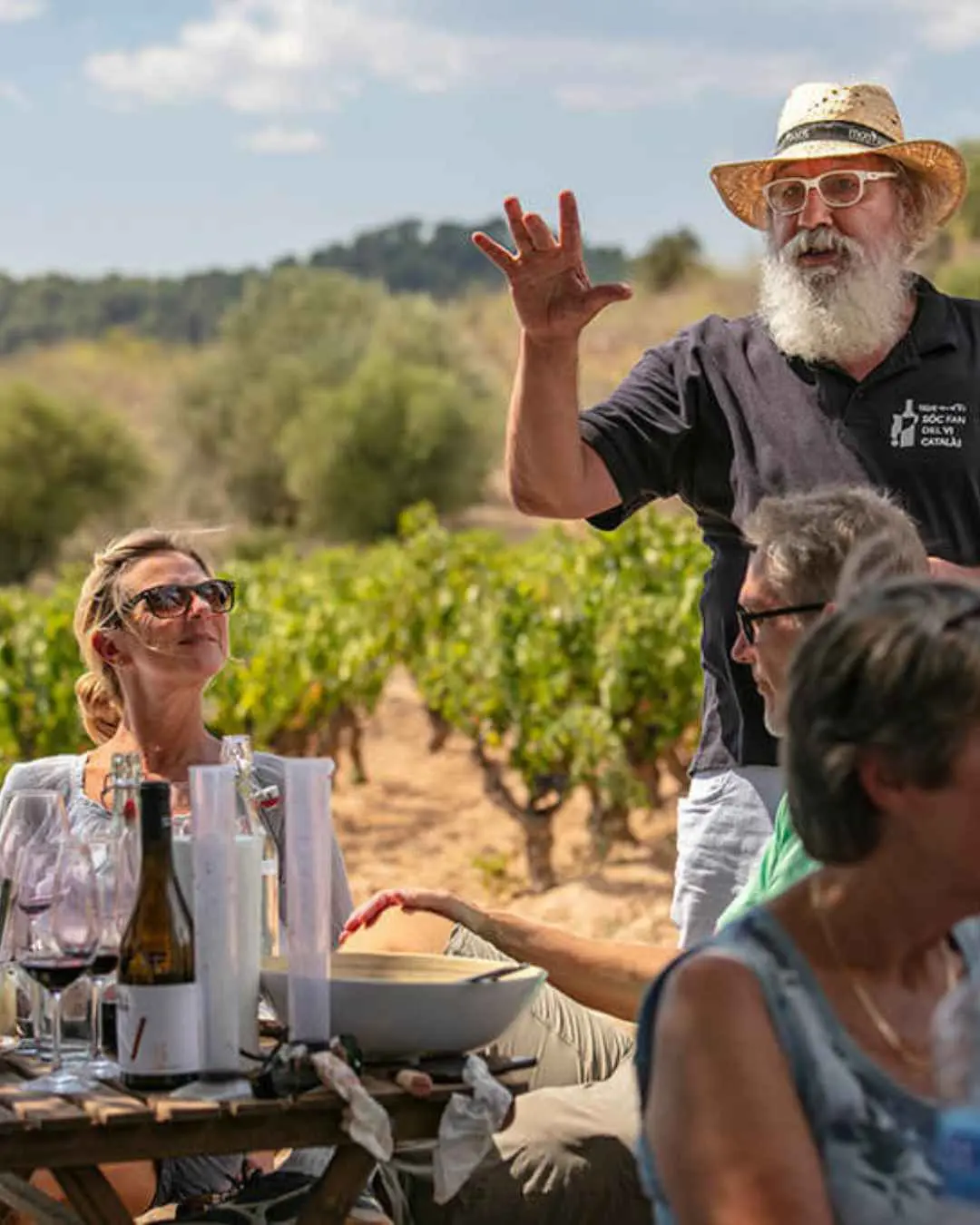
Begin your Bell Cros experience with a guided tour of their Falset winery, where you’ll discover organic winemaking and the inspiring story of Ann and Peter’s journey from Sweden to Catalonia. Then, relax in the peaceful vineyard of Marçà, seated around a unique barrel bar beneath a large fig tree, enjoying the stunning views as you taste eight exceptional wines, including the exclusive ONE OFF. This sensory journey includes whites, reds, and sparkling varieties, with expert guidance in English, Spanish, or French. In case of rain, the tasting moves indoors, ensuring a cozy and memorable experience no matter the weather.
Textura Wines - Tasting Textura with a Visit to the Winery (Dao, Portugal)
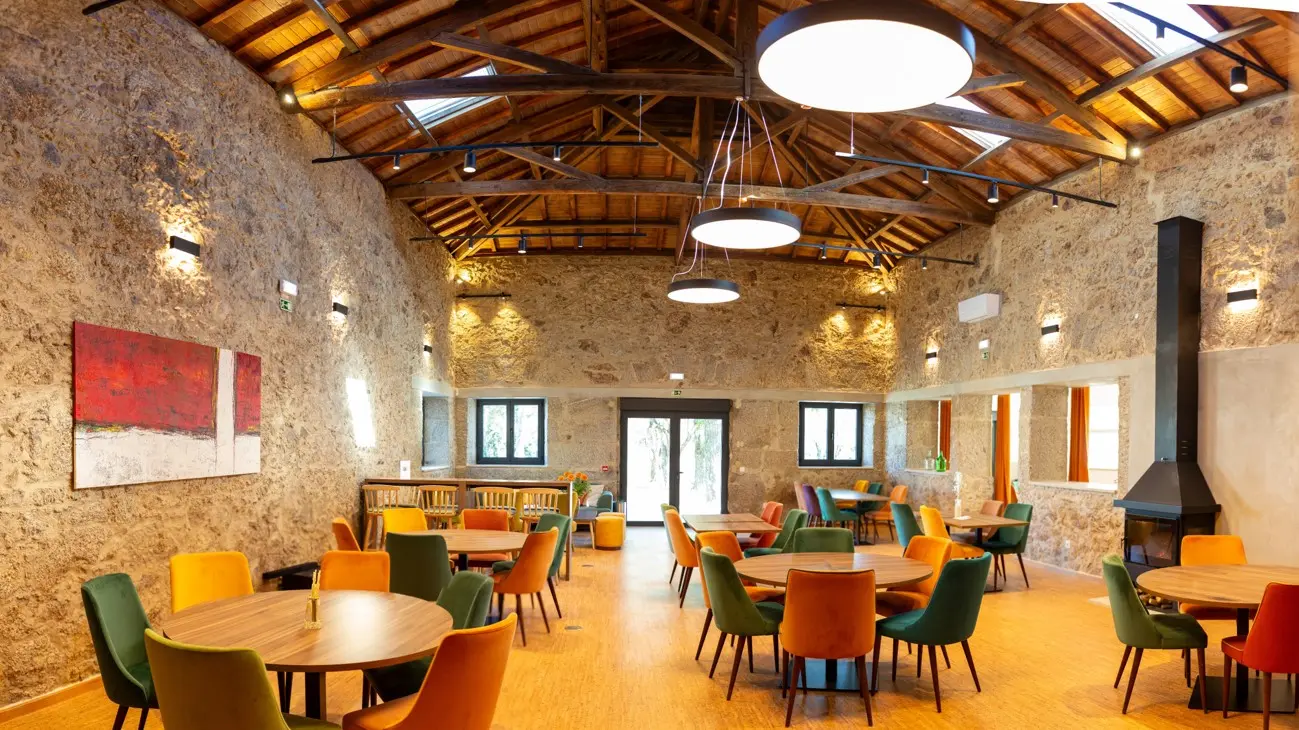
Visit the winery located on the edge of Serra da Estrela Natural Park, housed in a beautifully renovated century-old textile factory. It features local grape varieties, including organic red, white, and rosé wines. Enjoy a guided tasting of four wines: Textura da Estrela White, Rosé, and Red (from Vila Nova de Tazem vineyards), plus Encoberta Red, a fruity and dense wine from Penalva do Castelo. The tasting lasts about two hours.
Kapitel Zwei Wine - Taste & Tour Small Organic Wineries with a Winemaker (Lower Austria, Austria)
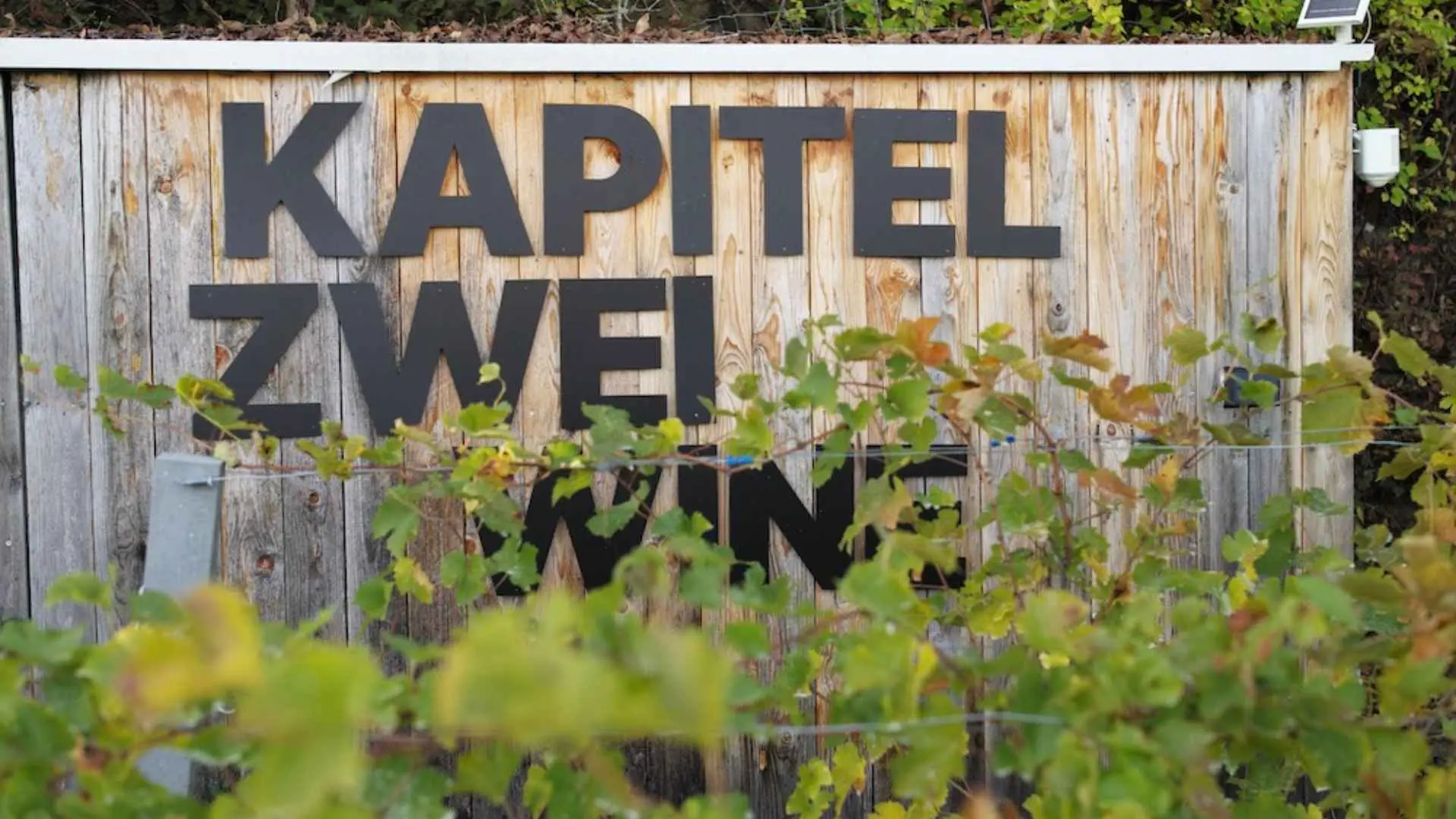
Set out on a journey through the hidden organic wineries of Lower Austria with a passionate winemaker who knows the vineyards from soil to cellar. Explore small, off-the-radar estates you won’t see on any supermarket shelf, meeting dedicated vignerons who create their wines with care and authenticity. Get an inside look at the art of growing, pruning, and harvesting, all while soaking in the sweeping views of the Niederösterreich countryside. Each stop is tailored to the styles and stories behind the region’s most unique producers, creating a dynamic, personalized adventure through Austria’s wine culture and its remarkable landscapes.
Tsarev Brod - From Craft to Classy (Black Sea, Bulgaria)
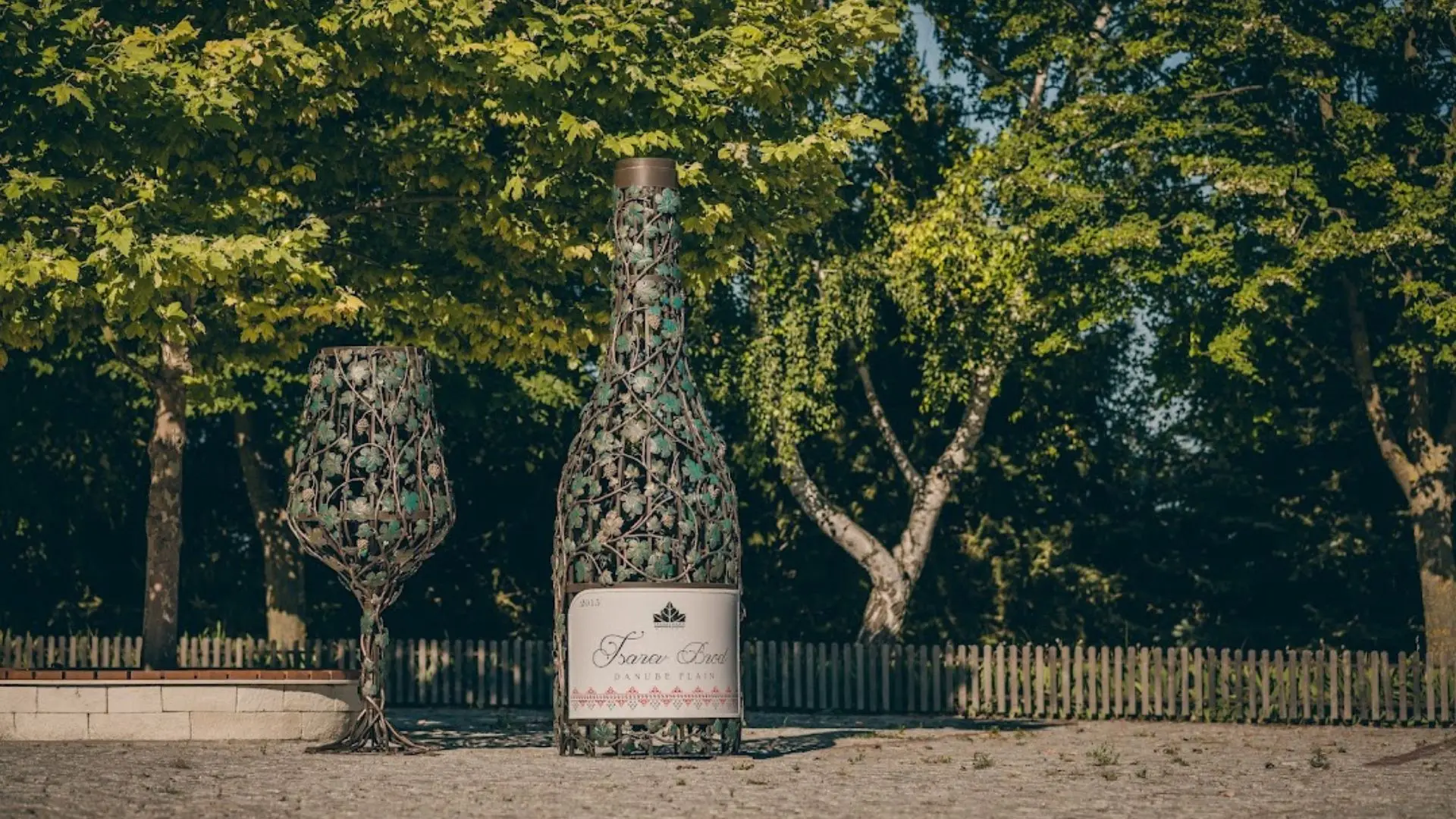
Explore the diverse world of Bulgarian wines at Tsarev Brod, where passion meets craftsmanship across nine grape varieties. This 2-hour tour offers a behind-the-scenes look at the vineyard and winery, followed by a tasting journey from craft natural sparkling wines to the unique Bulgarian orange rosé and Reserve-class classics like Sauvignon Blanc, Pinot Noir, and Eiswein. Compare unfiltered, natural wines with more traditional styles as expert guides share insights and answer your questions. Accessible and welcoming to all ages, this experience invites you to savor the rich flavors and stories behind Bulgaria’s rising wine scene.
No matter where your wine adventure takes you, from the rich soils of Italy and France to the vineyards of Bulgaria and Portugal, each experience offers more than just tasting; it’s a chance to connect with the people, stories, and landscapes. These carefully curated journeys celebrate the diversity and passion of winemaking around the world, inviting you to savor not only exceptional wines but also the dynamic cultures and traditions behind them.
Conclusion: Book Your Perfect Wine Tour and Expand Your Wine Knowledge
Ready to explore and book your next wine adventure? Whether you want to debunk common wine myths or indulge in exclusive winery visits across Europe, you can easily find and reserve memorable wine tours with just a few clicks on Winera.com. Discover the stories, flavors, and traditions behind every bottle, your perfect wine journey starts here. Cheers!
Hashtags:
#Winera #Travellier #wine #Quattrocieli #KapitelZweiWine #Camigliano #TuscanClassics #SaintEmilion #Pomerol #ChiantiTour #TexturaWines #DomaineDeCromey #BellCros #TsarevBrod #WineMyths #WineEducation #WineCulture #EuropeanWineRegions #WineTasting #VineyardViews #WineryTours #WineLovers #WineExperience #OrganicWines #Winemaking #WineAdventure