The world’s wine map is shifting. Fast. Climate change is redrawing the borders of tradition, transforming centuries-old vineyards, and creating new ones in places no one expected.
From Bordeaux to British Columbia, from Tuscany to Tasmania, the landscape of wine is being reinvented. For travelers and wine lovers, this means discovery, transformation, and a taste of the future in every glass.
The Climate Factor: How Rising Temperatures Rewrite Terroir
Wine is the liquid expression of place. Soil, sun, rainfall, altitude, and now, climate change. Global temperatures have risen more than 1°C since pre-industrial times, and the vine feels every fraction of that. Grapes ripen earlier. Harvest seasons move forward by weeks. Sugar levels increase, acidity drops, and alcohol rises.
Traditional wine regions such as France, Italy, Spain, and California are struggling to adapt. Burgundy now faces heatwaves. Champagne harvests happen up to three weeks earlier than 30 years ago. Even Napa Valley’s iconic Cabernet Sauvignons risk losing their balance under hotter skies.
But not all news is bad. Cooler regions once too marginal for viticulture are emerging as new stars. England, once mocked for its rain, now produces sparkling wines that rival Champagne. Denmark, Belgium, and even Sweden are planting vines. Canada, long famous for ice wine, is now producing vibrant Pinot Noir and Chardonnay.
Climate change is redrawing terroir. Old wine countries are reinventing themselves; new ones are stepping into the spotlight.
The New Frontiers of Wine
- Northern Europe: England’s Sussex and Kent are now home to award-winning sparkling houses. Sweden and Norway produce crisp whites from hybrid grapes. Belgium and the Netherlands are on the map, experimenting with Pinot Gris and Solaris.
- North America: Beyond California, Oregon and Washington thrive. But now Canada’s Okanagan Valley and even Michigan’s Leelanau Peninsula are crafting elegant wines. Cooler nights preserve acidity. Lake breezes create balance.
- The Southern Hemisphere: Australia and Chile are pushing vineyards to higher altitudes. Tasmania, Patagonia, and New Zealand’s South Island are now key players in premium cool-climate wines.
- Asia: China’s Ningxia region has become the “Bordeaux of the East,” with Cabernet blends gaining global awards. Japan’s Yamanashi Prefecture crafts refined Koshu whites. Even India’s Nashik Valley and Thailand’s mountain vineyards are redefining tropical viticulture.
- Africa: South Africa’s Cape Winelands are adapting with drought-resistant varieties. Ethiopia and Kenya are exploring high-altitude winemaking with surprising results.
The map of wine has never been so diverse, or so dynamic. Climate change is shifting borders faster than ever. The next great vintage might come from a place you’ve never heard of.
The Science of Wine: Technology, Terroir, and Transformation
Winemakers are turning science into sustainability. Facing rising temperatures and water scarcity, vineyards are becoming laboratories for adaptation.
- New grape varieties are key. Bordeaux now allows six new heat-tolerant grapes, including Touriga Nacional and Alvarinho. Italy revives ancient, forgotten varieties that handle drought better than modern clones. In Spain, Tempranillo gives way to Garnacha, Mencía, and Bobal in hotter areas.
- Regenerative agriculture is gaining ground; cover crops, biodiversity, and reduced tilling keep soils alive and water-retentive. Drip irrigation, canopy management, and precision viticulture reduce waste and maintain quality.
- Technology helps too. Sensors track soil moisture, drones map vineyard health, and AI predicts harvest timing. In cellars, solar energy powers operations; lightweight bottles cut emissions. Natural and organic wines continue to rise as drinkers demand authenticity and transparency.
The modern winemaker is both farmer and futurist. Sustainability is their compass. Every bottle reflects a dialogue between tradition and climate reality.
The Traveler’s Opportunity: Discover the New Wine Destinations
For travelers, this evolution opens thrilling new routes. Wine tourism is expanding beyond traditional regions into unexpected, emerging territories.
England’s Wine Country: Just an hour from London, you can sip award-winning sparkling wine among rolling hills in Kent or Sussex. Elegant tastings, luxury lodges, and vineyard cycling routes make it one of Europe’s most exciting new destinations.
Tasmania: Australia’s cool island state offers world-class Pinot Noir and Riesling, paired with rugged coastlines and gourmet seafood.
Okanagan Valley, Canada: Lakeside vineyards, mountain backdrops, and boutique wineries make this one of North America’s most scenic wine escapes.
Patagonia, Argentina & Chile: The southern edge of the world now grows vines under pristine skies. Expect elegant, mineral-driven wines and wild, untouched beauty.
China’s Ningxia: Desert landscapes meet futuristic wineries. A must-see for adventurous wine lovers.
Japan’s Yamanashi Prefecture: Near Mount Fuji, delicate Koshu wines and refined hospitality create a uniquely Japanese wine experience.
South Africa’s Hemel-en-Aarde Valley: Cooler than Stellenbosch, this region crafts exceptional Pinot Noir and Chardonnay, set just minutes from the breathtaking whale-watching shores of Hermanus.
Wine tourism isn’t just about tasting; it’s about exploring transformation. Travelers seek meaning, not just flavor. The best journeys combine culture, sustainability, and a sense of place.
Tradition Meets Transformation
The soul of wine, connection to land and culture, remains unchanged. Yet, how that soul expresses itself is evolving. Centuries-old estates are experimenting with new grape varieties and techniques. New-world producers are adopting old-world restraint. The borders between ‘old’ and ‘new’ are steadily fading.
In France, producers in Bordeaux and the Rhône are planting Mediterranean varieties to survive rising heat. In California, some vineyards move north to Oregon or to higher elevations in the Sierra foothills. In Italy, vineyards climb the Alps. The story of wine is no longer about geography, it’s about resilience.
Sustainability: The New Luxury
For today’s wine travelers, sustainability isn’t a trend, it’s a value. Wineries that protect biodiversity, reduce carbon footprints, and support local communities are drawing more visitors. Organic and biodynamic certification, once niche, is becoming mainstream.
Eco-lodges, solar-powered tasting rooms, and zero-waste wineries are redefining luxury. Travelers seek experiences that connect them to nature and culture, not just a glass of wine, but a sense of place and purpose.
The best wine destinations of tomorrow will be those that blend quality with consciousness. From South Africa to Scandinavia, sustainability is becoming the new standard. The future of great wine is green.
What’s Next: The Future in a Glass
By 2050, the global wine belt will shift hundreds of kilometers toward the poles. Southern England, Tasmania, Oregon, and southern Chile will be in the sweet spot for premium wines. Mediterranean regions may become too hot for some grapes but perfect for others.
We’ll see new styles emerge, such as lighter reds from cooler climates, lower-alcohol wines, and innovative blends from hybrid grapes designed for resilience. Technology, tradition, and terroir will coexist in balance.
For wine lovers, the message is simple: The best way to understand this new world of wine is to travel and taste. Explore beyond the familiar. Visit vineyards at the edge of possibility.
Winera and the Changing Wine Map
Here are five unique wine experiences from Winera.com, each from a different country, that showcase the shifting global wine map. From historic estates adapting to changing climates to emerging regions producing world-class wines, Winera’s curated selection highlights how climate change, innovation, and evolving terroir are transforming the wine landscape.
These great wine experiences offer travelers and wine lovers a front-row seat to the evolution of global winemaking, where tradition meets modern techniques in extraordinary settings.
Leyenda del Páramo (Castilla and Leon, Spain)

Located in Spain’s Páramo region of León, this winery is reviving indigenous grapes like Prieto Picudo and White Albarín (Albarín Blanco) under organic practices.
Their work not only preserves local viticultural heritage but also demonstrates how traditional varieties can thrive amid changing climate conditions.
Bononia Estate (Danube Plains, Bulgaria)
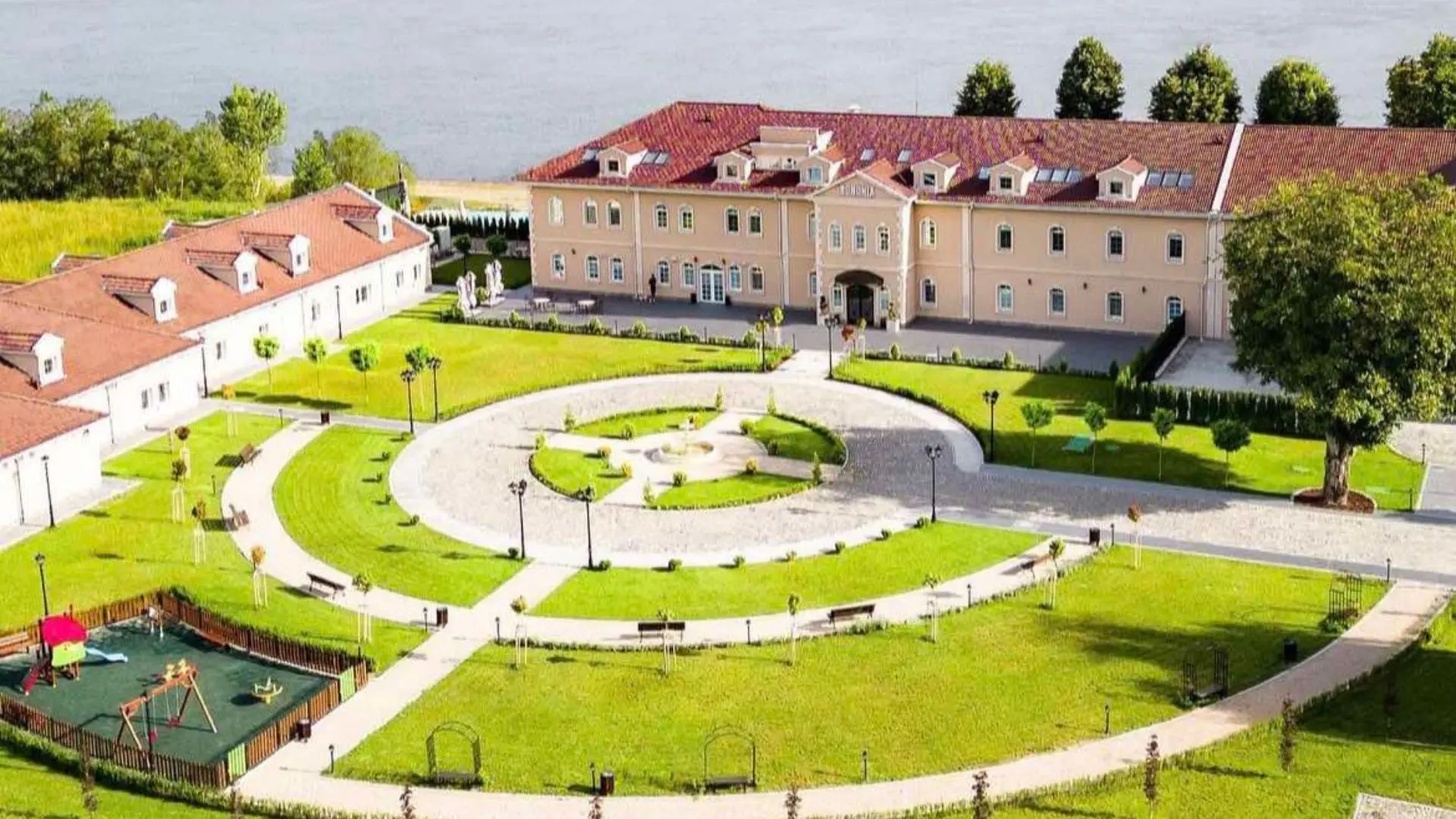
A newer luxury winery & resort in the Vidin region of Bulgaria, leveraging historic cellars and fertile land in an emerging Eastern European wine country.
Bononia Estate showcases how Bulgaria’s Danube terroir is gaining recognition for producing elegant, world-class wines that rival those of more established regions.
Maquis Wines - Iconic Tour (Colchagua Valley, Chile)
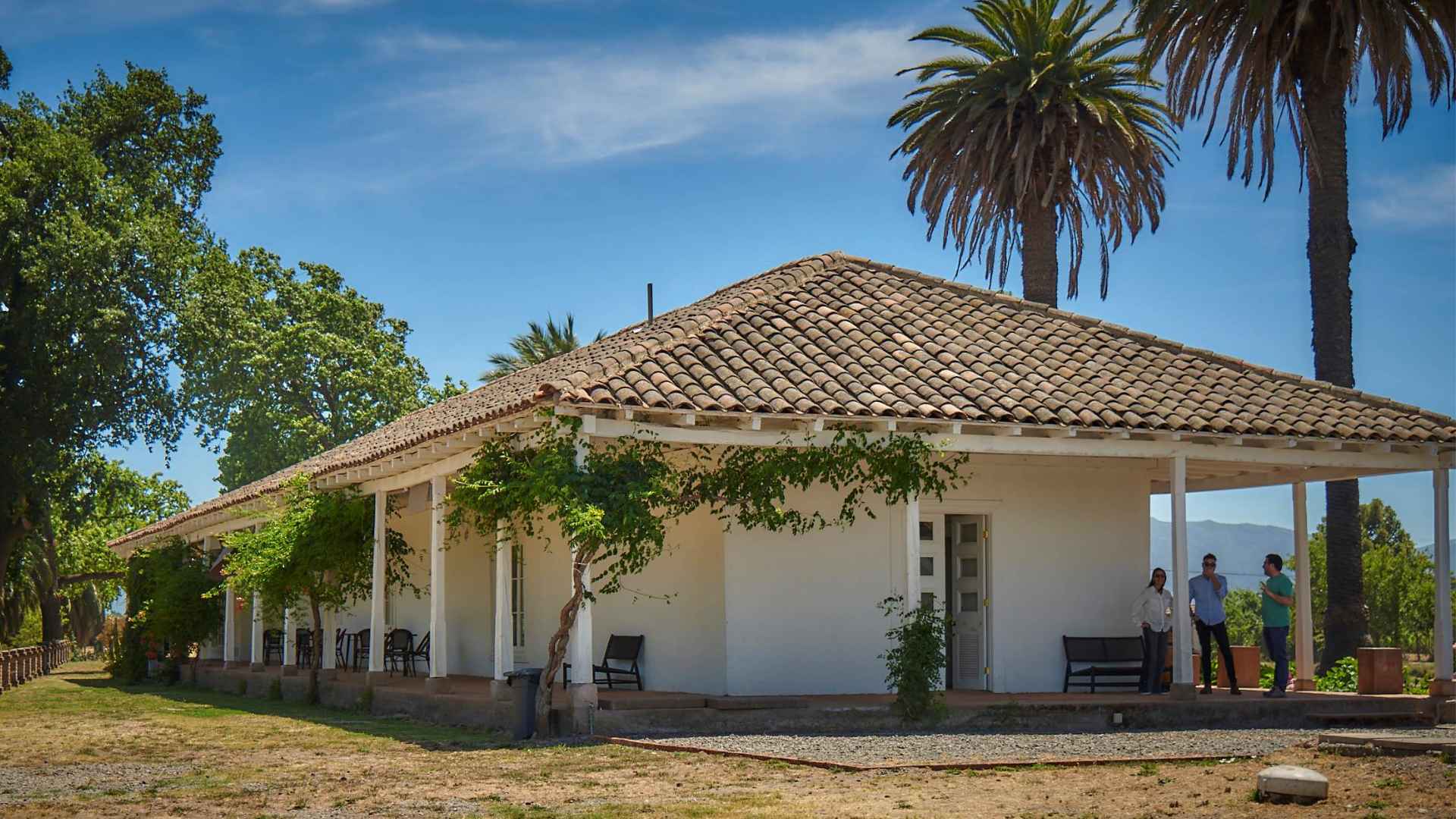
A friendly and knowledgeable winery in Chile that represents new world innovation in winemaking and climate resilience with passion and hospitality. Visitors can explore sustainable vineyards, taste bold varietals, and witness firsthand how tradition meets modern techniques in a changing climate.
Lothian of Elgin (Western Cape, South Africa)

Set amidst the scenic landscapes of the Cape Winelands, this luxury estate combines stunning architecture with sustainable viticulture in a climate-challenged region. Guests can enjoy engaging tastings, vineyard tours, and see firsthand how innovation and tradition come together to craft world-class wines.
Artesa Winery (Napa Valley, California, USA)

Founded by Spain’s oldest winemaking family and raised in Napa, this winery blends old-world sophistication with contemporary charm in a variable climate region, adopting the latest technology and contemporary techniques to adapt and thrive.
These experiences provide a global snapshot of how wine regions from traditional and emerging areas are adapting and innovating in response to climate and evolving terroir, perfectly fitting the narrative of the transforming wine map.
The Future of Wine: A Global Journey of Taste and Transformation
The wine map is changing, but its magic endures. Every bottle still tells a story of place, people, and passion. Only now, that story is expanding, adapting, and reaching new corners of the world. For travelers and wine lovers, this is the most exciting time in history to raise a glass.
From the sunlit vineyards of Tasmania to the cool slopes of England and the bold frontiers of Patagonia and Ningxia, the future of wine is global, sustainable, and full of discovery.
The world of wine is not disappearing. It’s evolving. And the adventure is just beginning.
Hashtags:
#Winera #Travelllier #wine #WineTravel #SustainableWine #ClimateChangeAndWine #WineTourism #EmergingWineRegions #NewWorldWine #CoolClimateWines #EcoWineTravel #FutureOfWine #WineLovers #GlobalVineyards #WineInnovation #WineDestinations