Heritage wine travel highlights the connections between culture, history, and agriculture. It offers a rich, engaging experience that goes far beyond simply learning about wine. Visiting a vineyard takes on new significance when you understand its origins, the families who cultivated its vines centuries ago, and the enduring traditions that shape the wines you enjoy today. This connection deepens your appreciation and transforms wine tasting into a meaningful cultural wine experience, especially when traveling through historical wine regions that have shaped winemaking for generations.
This guide provides practical, research-driven strategies to help you approach heritage wine tours with intention and respect. By planning thoughtfully and learning the stories behind the vineyards, you can deepen your overall travel experience with insight and mindful exploration. This helps make sure every visit honors the history and legacy of the place, which is especially important for wine tours that Europe travelers look for.
Best Ways to Research Wine Regions Before You Travel
A meaningful heritage wine tour starts with thorough research before you even set foot in the region. Look into the history of winemaking in the area and identify which cultures or civilizations shaped its development. You can also explore how factors like climate change or past conflicts affected the region’s vineyard practices.
Research also helps you recognize and appreciate key elements such as distinct architectural styles, ancient cellars, traditional farming methods, and indigenous grape varieties well before your visit. This deeper understanding enriches your overall experience, helping you appreciate the history and traditions behind the winemaking process. It shifts the focus from simply learning about wine to recognizing the stories and heritage preserved in each place; an essential part of meaningful cultural wine experiences.
How to Choose Historic Wineries and Heritage Vineyards
Not every winery qualifies as historical. Seek out vineyards with age, lineage, and continuity. Prioritize estates where multiple generations have managed the same land and where architecture remains authentic rather than staged.
Historic cellars, documented archives, preserved production rooms, and original stone buildings indicate heritage. If the estate offers storytelling rather than surface-level tastings, you’ve chosen well.
Why Indigenous Grapes Matter in Heritage Wine Regions
Indigenous grape varieties carry the cultural DNA of a wine region, having endured local climate challenges, soil conditions, pests, and even political changes over centuries. These native grapes are vital to heritage wine tours because they deliver unique flavors and aromas that can't be replicated elsewhere, offering an original taste of the region’s identity.
When touring, ask winemakers about original grape clones, efforts to revive heirloom varieties, or rare cultivars exclusive to the region.
Top Heritage Wine Regions and Their Indigenous Grapes
Indigenous grape varieties are living archives of place, climate, and tradition. They carry stories that international grapes cannot, surviving wars, phylloxera, droughts, and cultural shifts. These varietals reflect centuries of adaptation, producing wines that taste like history itself.
Here’s a list of six historical wine regions where native grapes define identity, winemaking skills, and ultimately terroir.
Sicily, Italy
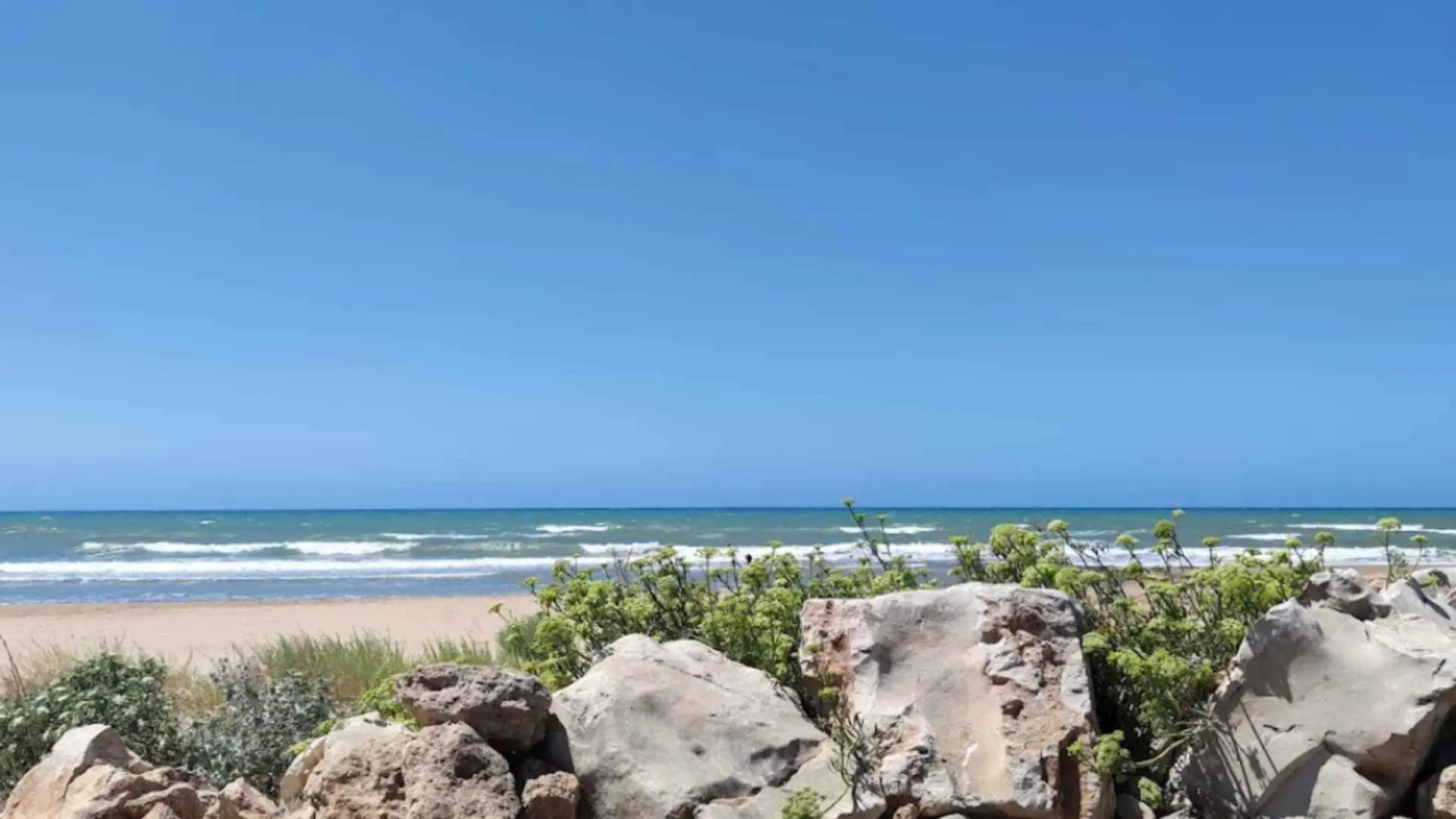
Indigenous grapes that define the island’s volcanic history:
- Nero d’Avola - dark fruit, spice, coastal minerality
- Nerello Mascalese - grown on Mount Etna’s volcanic slopes
- Carricante - crisp, citrus-driven whites with long aging ability
Douro Valley, Portugal
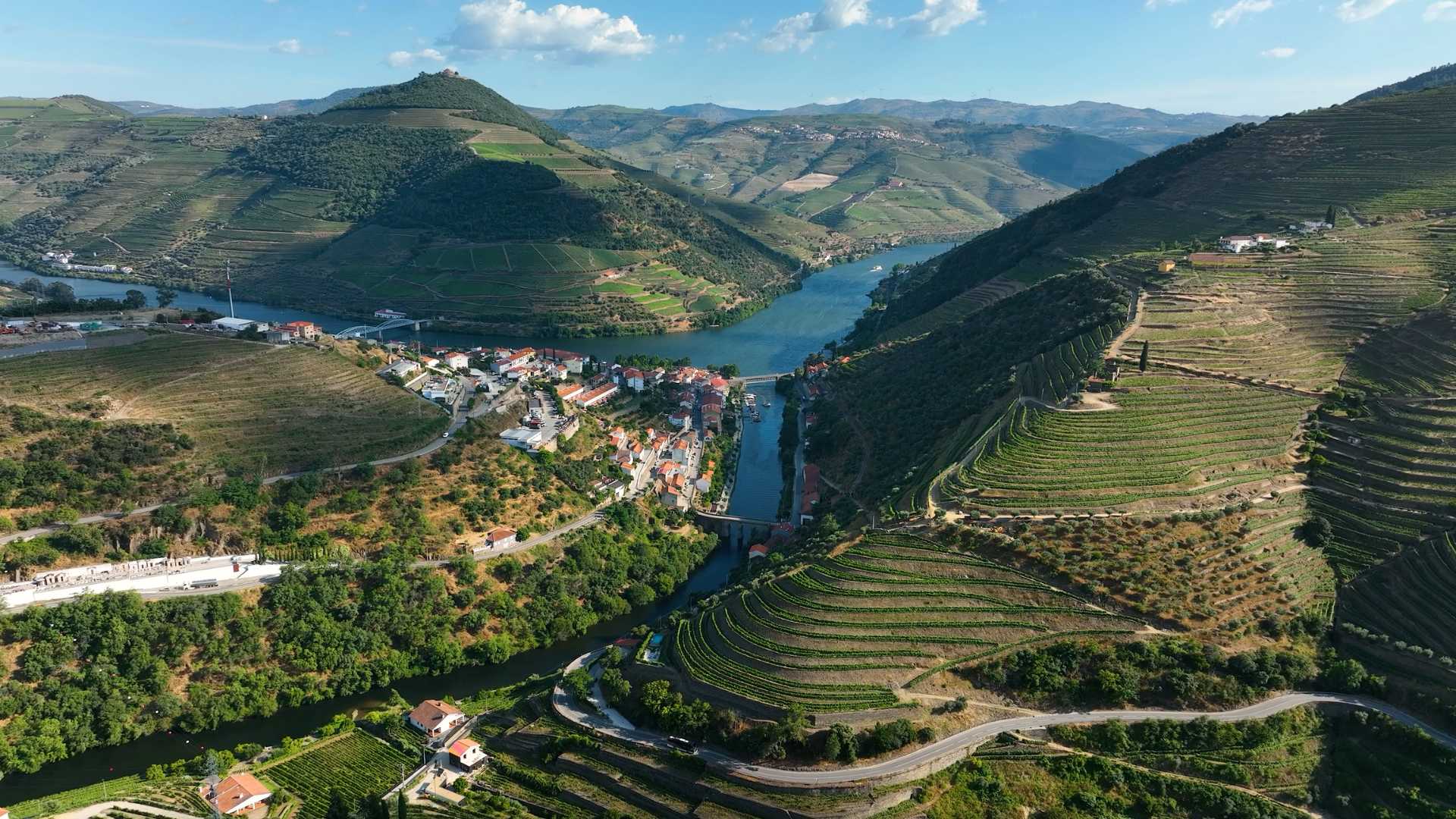
One of the world’s oldest demarcated wine regions, known for Port and native reds.
- Touriga Nacional - floral, structured, intensely aromatic
- Tinta Roriz (Aragonez) - earthy, robust, age-worthy
- Touriga Franca - smooth, elegant blending backbone
Georgia
Often called the ‘birthplace of wine’, with more than 8,000 years of heritage.
- Saperavi - deeply pigmented, bold red with natural age power
- Rkatsiteli - ancient white variety used in qvevri wines
- Mtsvane - aromatic white, fresh and honeyed
Galicia, Spain
Cool Atlantic climate preserving distinct, history-rich varietals.
- Albariño - saline, citrus, iconic coastal white
- Mencía - floral reds with mineral-driven elegance
- Godello - textured whites, capable of long aging
Santorini, Greece
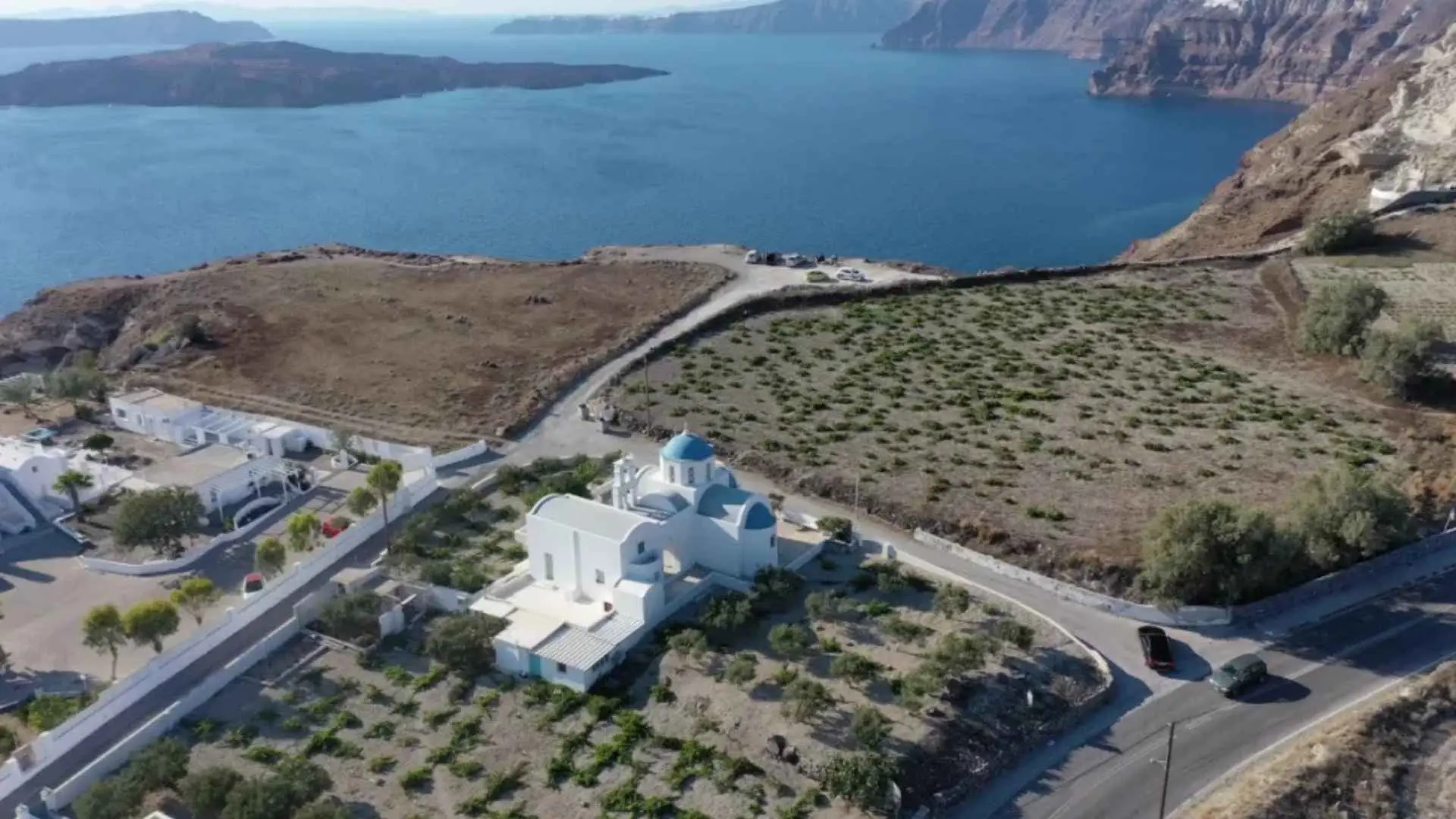
Ungrafted vines grown in volcanic basket formations for centuries.
- Assyrtiko - razor-sharp acidity, volcanic salinity
- Athiri - softer white grape used for blends
- Aidani - aromatic, floral, historically rooted
Valle d’Aosta, Italy
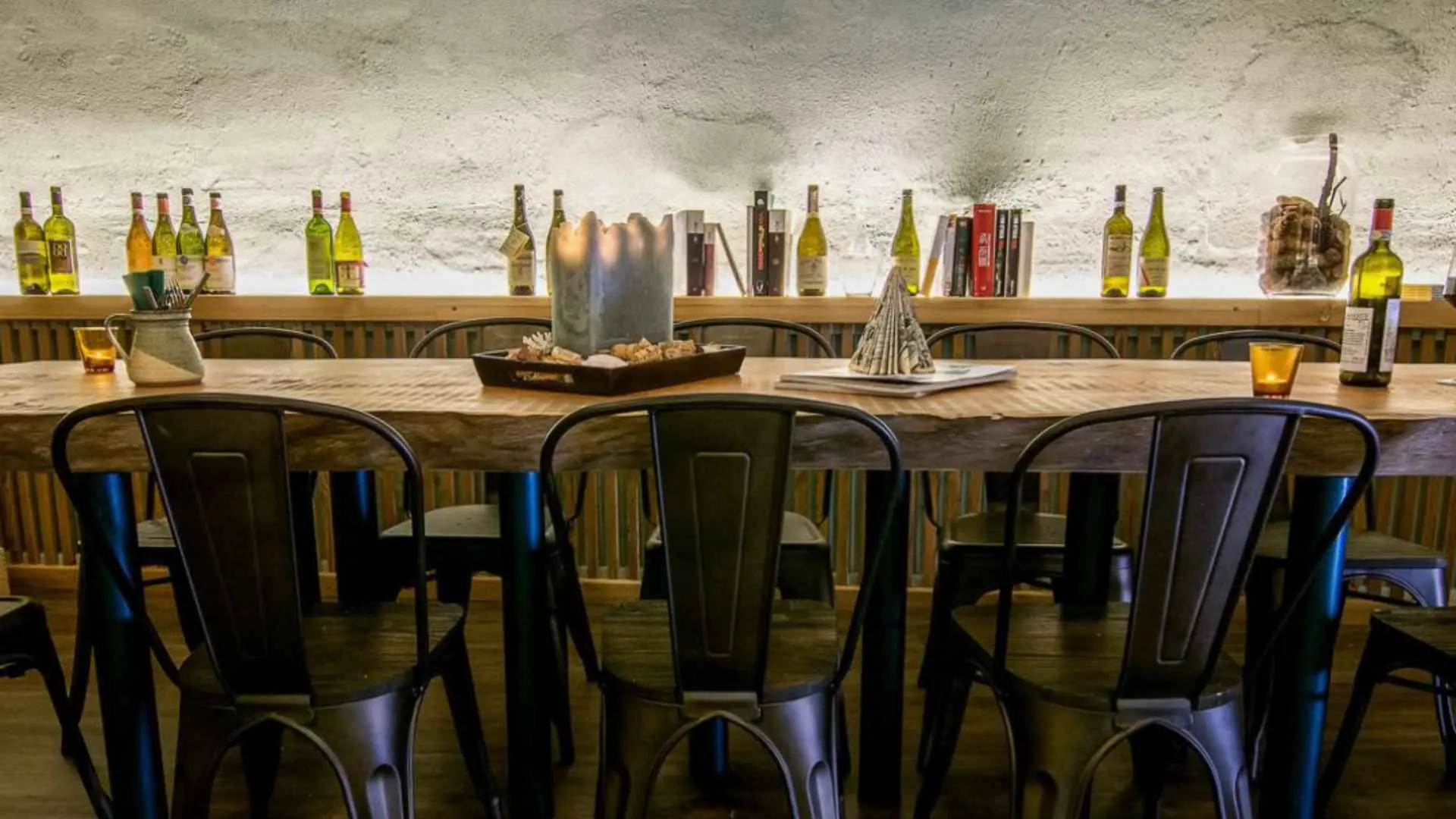
Small Alpine region preserving rare grapes near extinction.
- Fumin - smoky, herbaceous, distinctly mountain-grown
- Petit Rouge - used in traditional blends like Torrette
- Prié Blanc - grown at Europe’s highest vineyards
Best Time to Visit Wine Regions for an Authentic Experience
Visit during the off-season. Heritage estates feel more personal and open when visitor numbers drop. Guides speak longer. Cellars feel quieter. You see and hear things peak hours hide. Early spring, post-harvest autumn, and mild winter weeks are ideal. You move slowly. You notice more. You experience history instead of traffic.
Top Heritage Sites to Pair with Vineyard Visits
Wine is only one element within a much larger cultural landscape. To understand a region’s winemaking identity, pair tastings with nearby heritage sites. Castles, monasteries, old trading towns, and small agricultural museums reveal how wine shaped local life, supported economies, and even influenced religious rituals over centuries.
By experiencing vineyards and historical landmarks, every tasting becomes more dimensional and meaningful. You’re not just sampling vintages, you’re stepping into the environment that created them, seeing how history and wine evolved together through time.
Preservation Etiquette for Historic Wineries
Heritage spaces are incredibly fragile and require careful attention. Ancient wooden beams creak under centuries of weight, and original barrels hold not just wine but stories passed down through generations. Delicate archival labels also preserve the legacy of vintages long gone. Respecting them is essential to maintaining the authenticity that heritage wine tours rely on.
When visiting, always follow conservation rules, stay within designated walkways, and observe any photography restrictions. These guidelines aren’t meant to limit your experience; they protect the very history you’ve come to explore. Good travelers understand that preserving heritage means protecting it for future generations, not consuming or damaging it for temporary enjoyment.
Tasting Wine Made with Traditional Winemaking Methods
Heritage winemaking is alive, not symbolic. Look for amphora fermentation, hand-pressing, basket tools, minimal intervention, or gravity-flow cellars. These methods produce unique character, often raw and honest.
When you taste wine made traditionally, you taste history, not modern efficiency.
Why Heritage Wine Travel Is Worth It
Heritage tours slow you down. They sharpen perception. They shift wine from a beverage into a cultural record, evidence of survival, craftsmanship, land memory, and resilience. You stop chasing rating scores and start chasing stories. You appreciate land as a narrator, not scenery.
A historical wine tour reveals how each region reflects its past. It's a meaningful way to understand culture.
Historical and Heritage Tours with Winera
Winera is your ultimate gateway to curated wine experiences that blend culture, history, and premium travel like never before. What sets us apart? We connect you directly with boutique and historic wineries, guided by passionate local experts who bring each region’s story to life. With Winera, booking is effortless and authentic, skip the middleman and dive straight into great wine tours designed just for you.
Historical and Heritage Tours with Winera fully engage travelers in wine tours Europe, skillfully combining ancient fortresses, family estates, and cultural museums with tastings that showcase centuries of tradition.
Cultural Wine Experiences
Explore royal cellars, ancient monasteries, and historic vineyards in Europe with Winera, including visits to Spain's oldest wine cellar at Bodegas Osca and heritage tours in Tuscany. These sites beautifully showcase the traditions and cultural stories that have shaped each wine region.
How to Book a Wine Tour Guide
Booking a wine tour guide can transform your heritage wine travel into an engaging cultural journey. When planning your trip, consider experiences that go beyond tasting, think visits to underground cellars, historic vineyards, and UNESCO World Heritage Sites that showcase centuries of winemaking traditions. These tours offer a deep dive into the history, architecture, and stories behind the wine.
With Winera, securing the perfect guide is simple and reliable. Our platform connects you directly to local experts who specialize in heritage wine regions and curated experiences. Whether you want a private tour of ancient cellars or a group visit to a historic wine estate, Winera lets you book with just a few clicks, ensuring your trip is thoughtfully planned and culturally rich. Explore unique sites and learn from the best, all in one place!
2 Historical Wineries in Chianti (Tuscany, Italy)
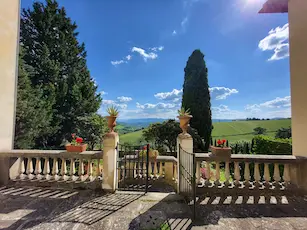
Enjoy a private chauffeured tour from Florence through the rolling hills of Chianti Colli Fiorentini and Chianti Classico, visiting two historic wineries with rich Renaissance heritage. Begin with a guided walk through a medieval village estate, exploring ancient cellars and tasting four niche Chianti wines paired with local olive oil, cured meats, bruschetta, and cheeses, alongside a light Tuscan lunch. Then, visit a grand Renaissance villa surrounded by vineyards and cypress trees, touring its historic cellars and savoring five prestigious Chianti Classico wines with local food pairings.
Asti - Underground Cave Visit with Food & Wine Tasting near Asti (Piedmont, Italy)
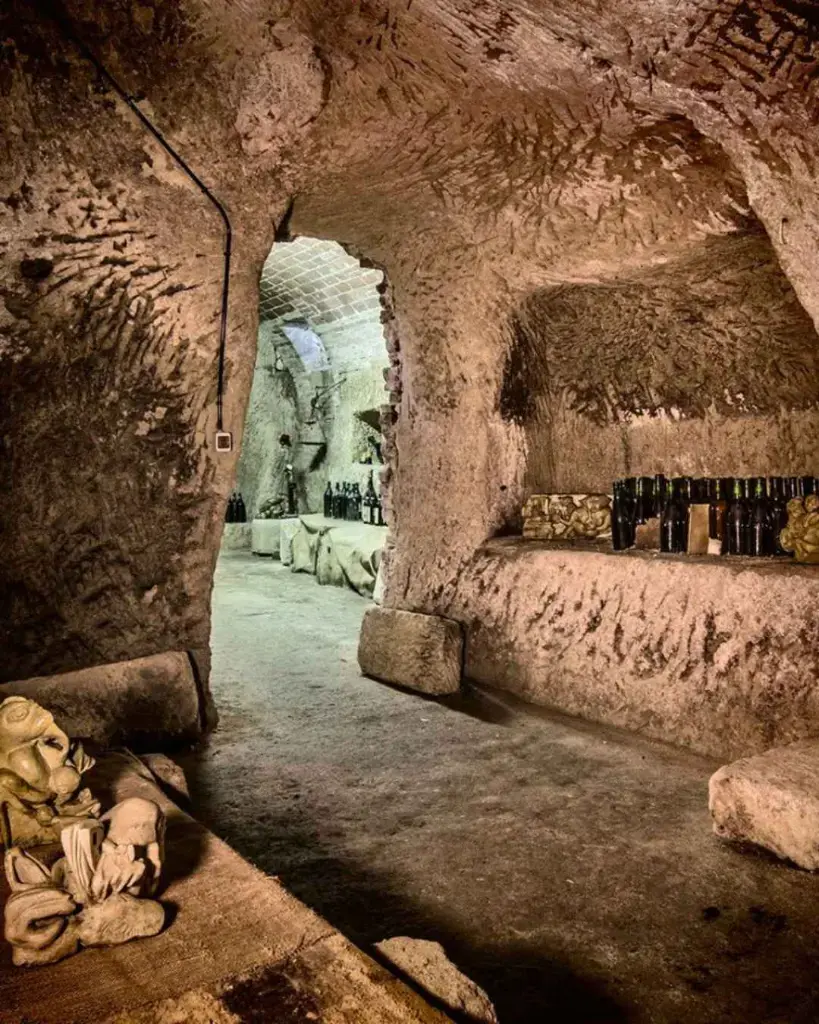
This guided tasting near Asti takes you into the historic infernòt underground caves of Cella Monte, part of the region’s UNESCO-recognized heritage. You’ll sample four local Monferrato wines, one sparkling, one white, and two reds, paired with regional cured meats and cheeses, while learning about the area’s winemaking traditions and history. The visit takes place in a local enoteca with atmospheric underground passages and includes a kid-friendly snack and juice option.
Wine Tasting & Food Pairing in Underground Cellar in Rome (Lazio, Italy)
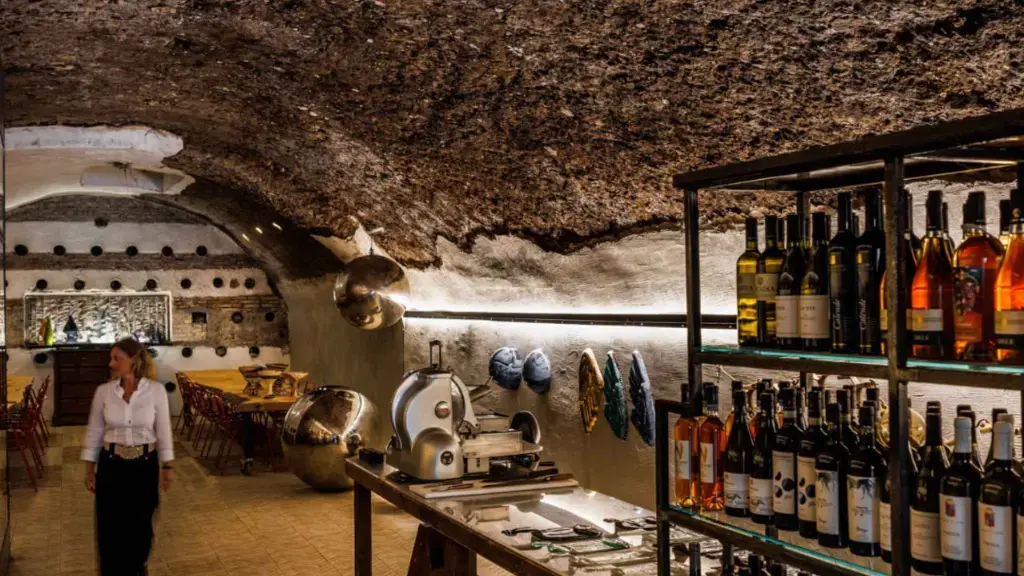
This one-hour tasting in Rome’s Testaccio district takes place inside a historic underground cave beneath Monte dei Cocci, once used as ancient food cellars. Led by a local expert, the experience features four regional Lazio wines paired with artisanal cheeses and cured meats aged on-site in the cave’s natural cool microclimate. Visitors explore the atmospheric chambers, view rotating art installations, and learn about Lazio’s food and wine traditions before sitting for a guided pairing.
Winery Visit & Tasting on the Volcanic Slopes near Catania (Sicily, Italy)
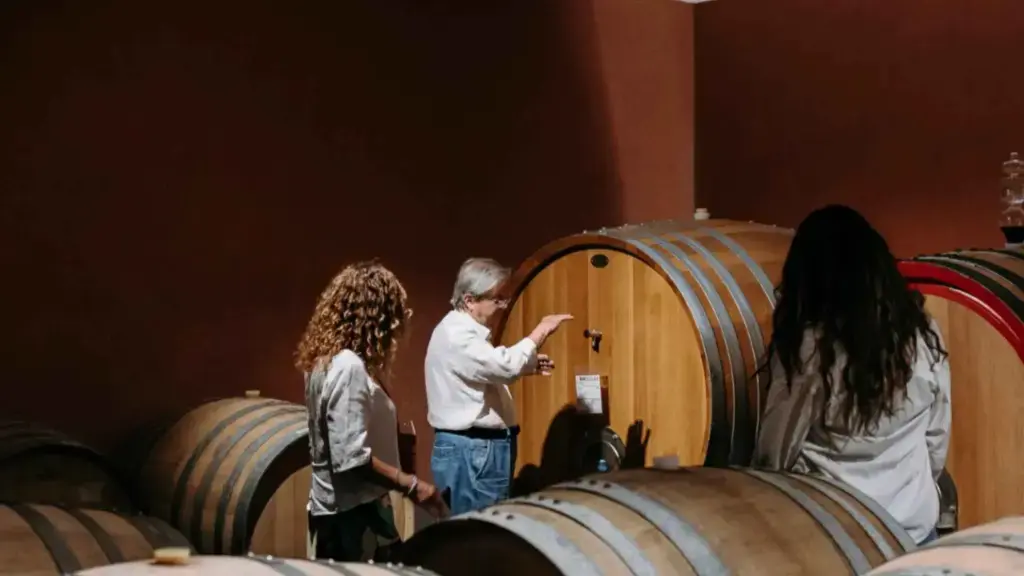
This visit takes place on the eastern slopes of Mount Etna, where volcanic soil, high-altitude vineyards, and organic farming shape every part of the experience. The tour begins inside a sustainable underground cellar designed to maintain natural temperature balance. Here, guests can view a six-meter geological cross-section exposing layers of ancient lava and the roots of the vines growing above. After exploring the cellar, the visit continues on a panoramic terrace overlooking both the volcano and the Ionian Sea. A guided tasting follows, featuring three organic Etna DOC wines, a mineral white, a fresh rosé, and an elegant red, paired with traditional Etna bread and estate-produced extra virgin olive oil.
Terni - Wine Tasting with Food and Tufa Cellar Visit in Orvieto (Umbria, Italy)
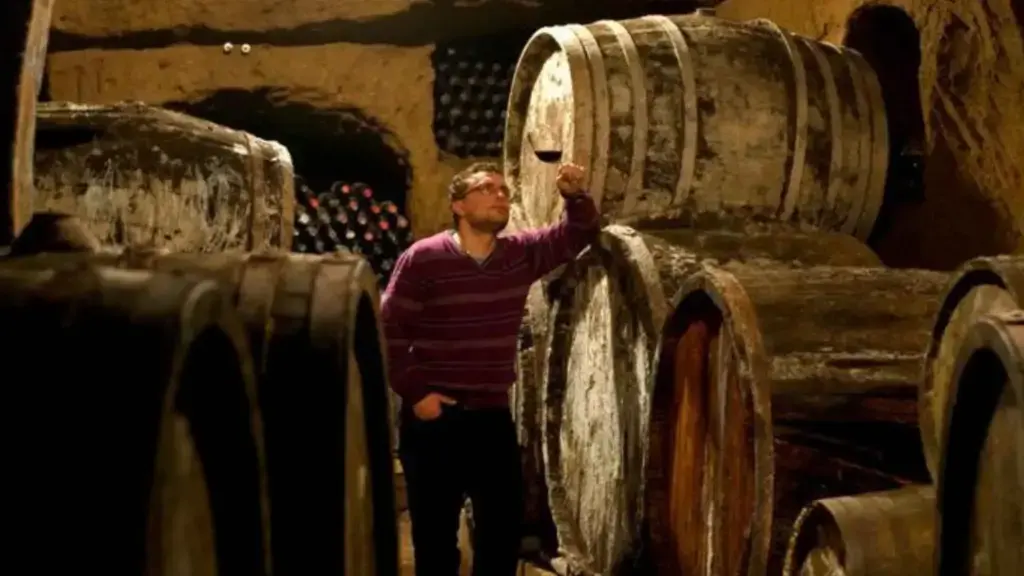
This one-hour experience combines a guided wine tasting with a visit to a historic tufa cave cellar in the heart of Orvieto. Guests explore an underground space carved directly into the soft tufa rock, where traditional wine-aging methods have been preserved for generations. The tasting features three wines: a dry white, a dry red, and a sweet Vin Santo, a beloved dessert wine typical of central Italy. The first two wines are paired with a selection of regional cured meats and cheeses, showcasing the flavors of Umbria. To finish, guests enjoy classic Tuscan tozzetti alongside the Vin Santo for a traditional and satisfying closing pairing.
Terres de Lavaux - Red Wine Tasting (Vaud, Switzerland)
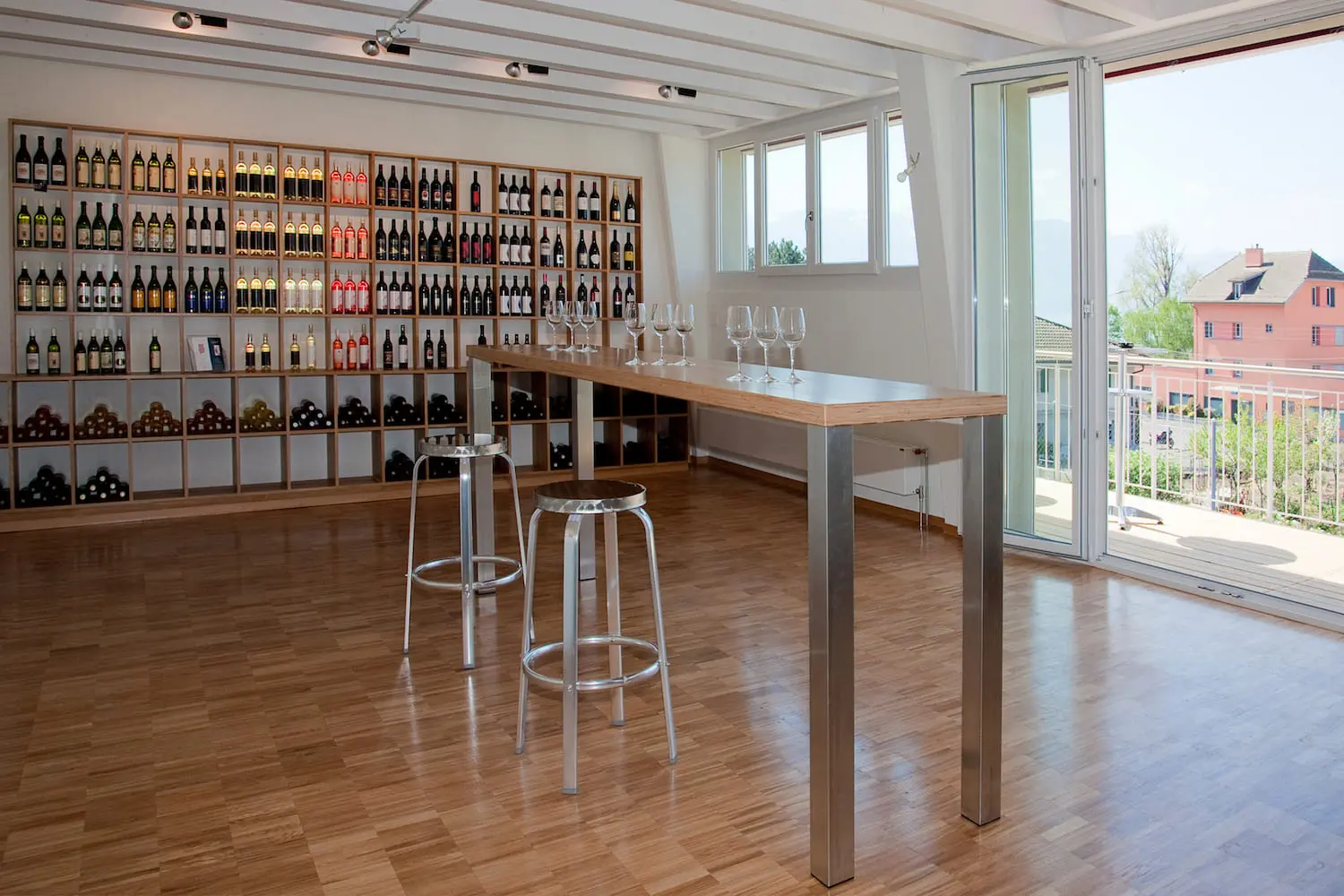
This red wine tasting at Terres de Lavaux introduces visitors to four distinct wines, from single-variety expressions to blends, including options aged in oak. Set in the Lavaux vineyards, a UNESCO World Heritage site, the experience highlights the diversity of the region’s terroir and its winemaking style. Led by a wine expert and available in multiple languages, this one-hour public tasting accommodates solo travelers and groups, offering an accessible way to explore one of Switzerland’s most iconic wine landscapes.
Vivanco - Unguided Museum Visit & Winery Tour (Rioja, Spain)
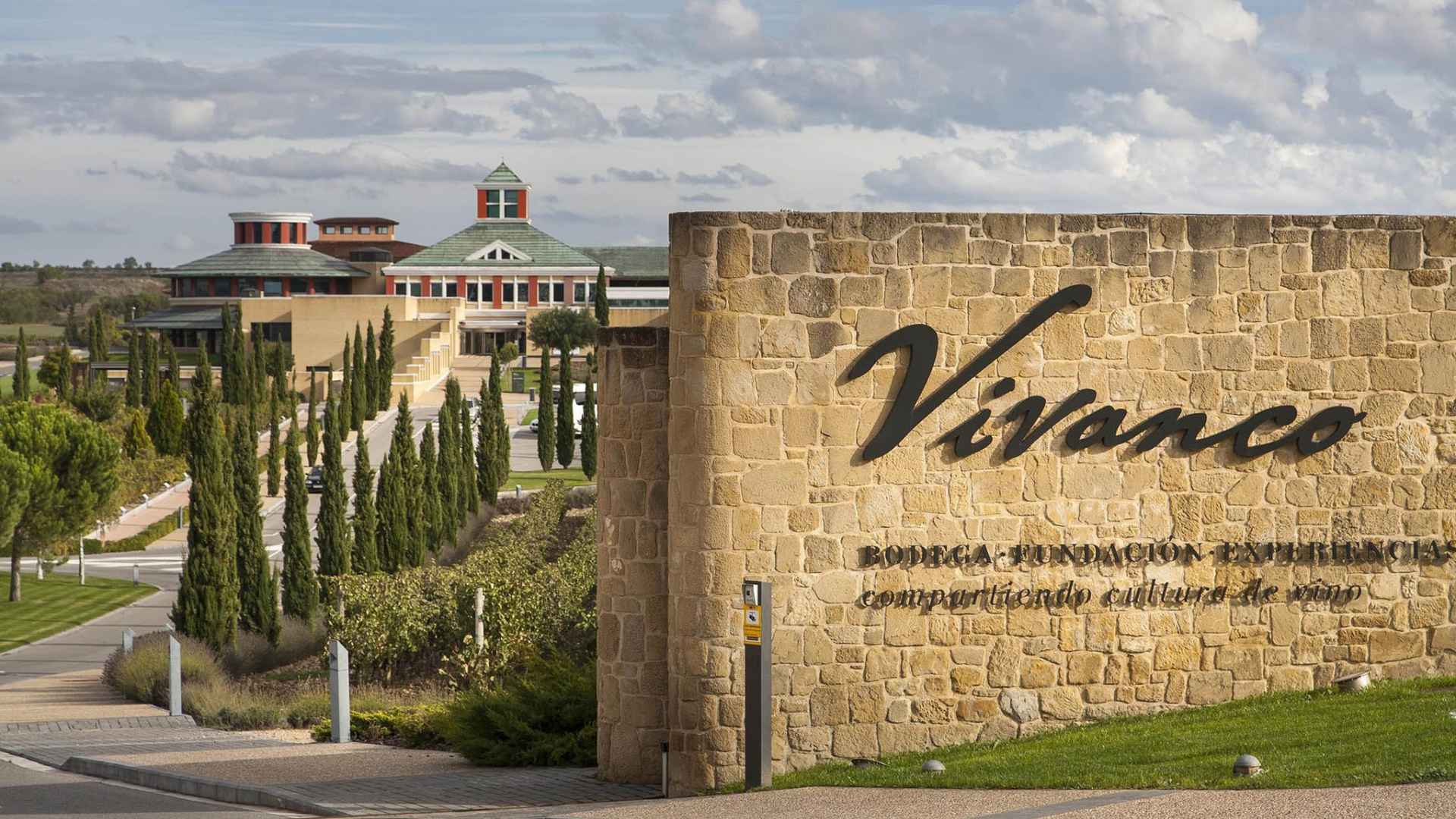
Discover a great collection tracing around 8,000 years of global wine history through artifacts, art, and interactive exhibits. Following an independent exploration of the museum, participants begin a guided tour of the winery, sampling two wines that connect the unique Rioja terroir and contemporary cellaring techniques to the expansive, timeless heritage of winemaking.
From Barcelona - Montserrat, Wine and Brunch (Catalonia, Spain)
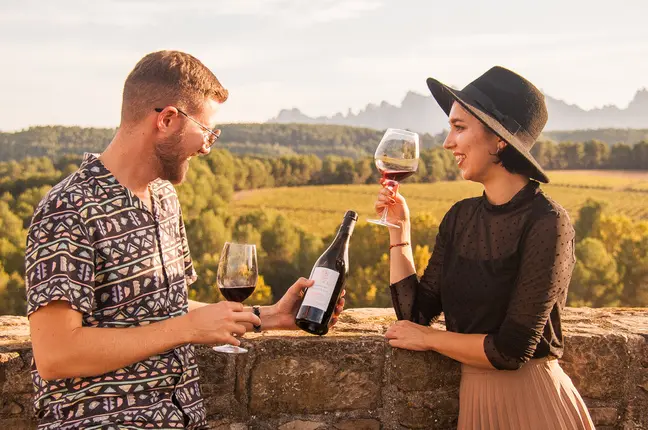
This full-day tour from Barcelona combines a visit to the Montserrat Monastery with a guided tasting at a historic family-owned estate in the Pla del Bages wine region. After meeting your guide at Barcelona Nord Bus Station, you’ll explore Montserrat’s cultural and natural landmarks before heading to the winery for a tasting of three organic wines made from local grape varieties, paired with an informal tapas brunch. The tour offers a straightforward way to experience one of Catalonia’s oldest wine regions and its surrounding landscape.
Saint-Emilion and Pomerol Private Tour Grand Cru Classe (Bordeaux, France)
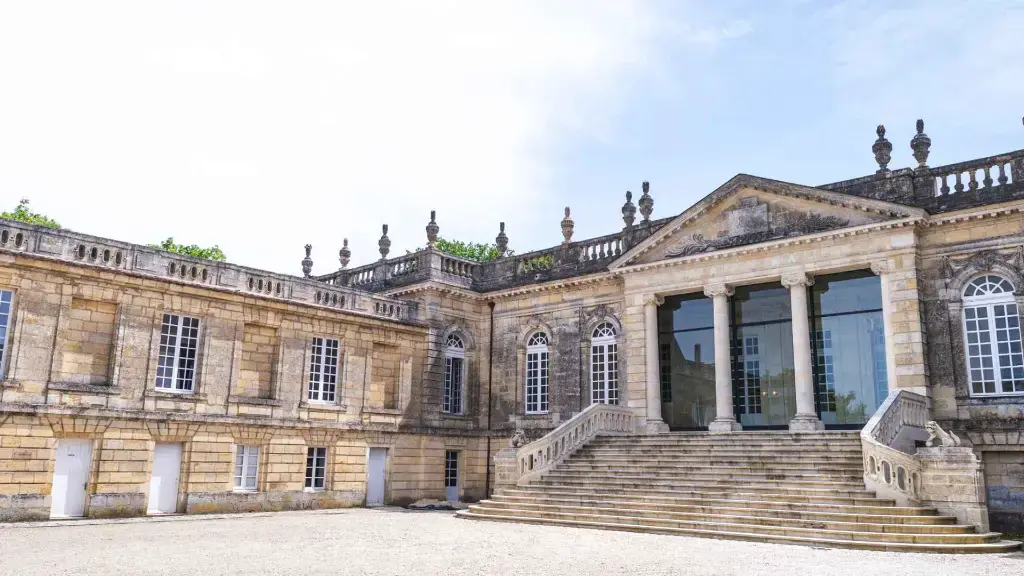
This private tour takes you through the heart of Bordeaux’s Saint-Émilion and Pomerol, combining visits to 1955-classified Grand Cru Classé estates with guided tastings led by local wine experts. Explore the UNESCO-listed medieval village of Saint-Émilion, tour two prestigious wineries, and learn about terroir and traditional winemaking. With comfortable private transport, structured tastings, and an expert guide, this 6-hour experience offers a focused, in-depth introduction to two of France’s most celebrated red-wine regions.
Château Destieux - Prestige Tasting of the Dauriac Vineyards (Bordeaux, France)
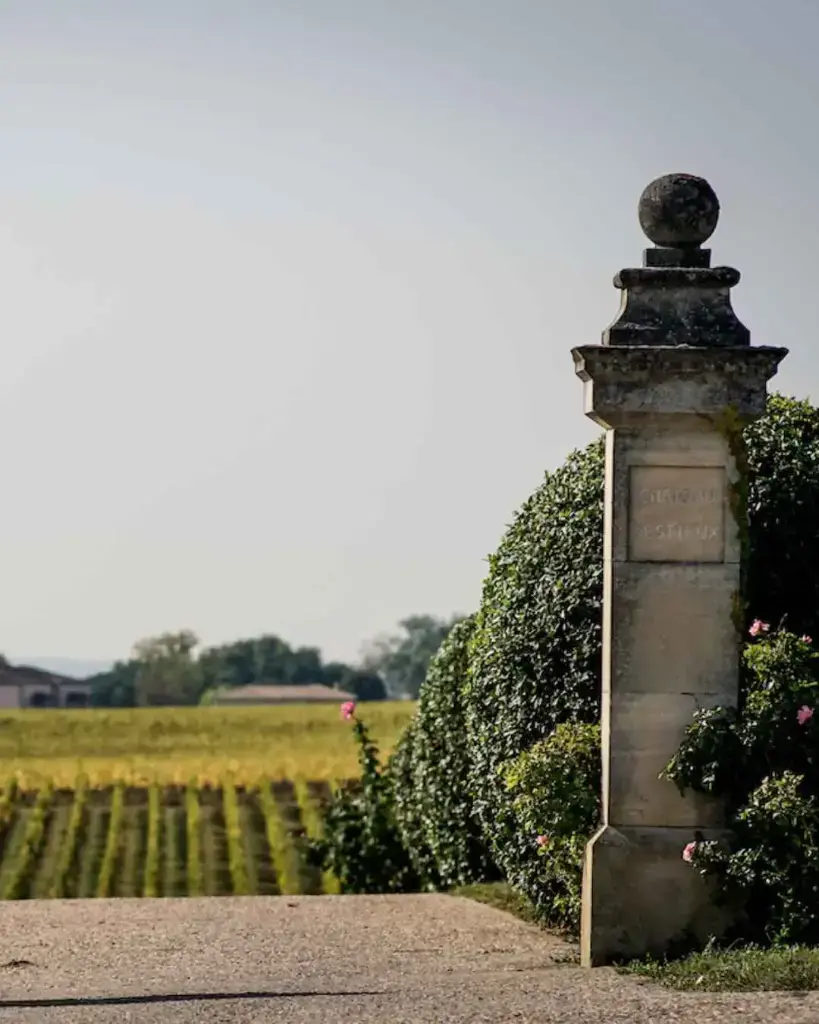
Perched atop one of Saint-Émilion’s highest points, Château Destieux offers a private, intimate journey through its distinctive terroir and meticulous vineyard work. Begin with a stroll among the vines before exploring the vat room and barrel cellar, where a guided tasting of Merlot and Cabernet reveals each grape’s unique character. The experience concludes with a refined tasting of three prestigious wines, Château La Clémence (Pomerol), Château Destieux (Saint-Émilion Grand Cru Classé), and Château Montlisse (Saint-Émilion Grand Cru Classé), showcasing the elegance and heritage of this renowned Bordeaux estate.
Full Day Private Tour to Saint-Emilion & Medoc (Bordeaux, France)
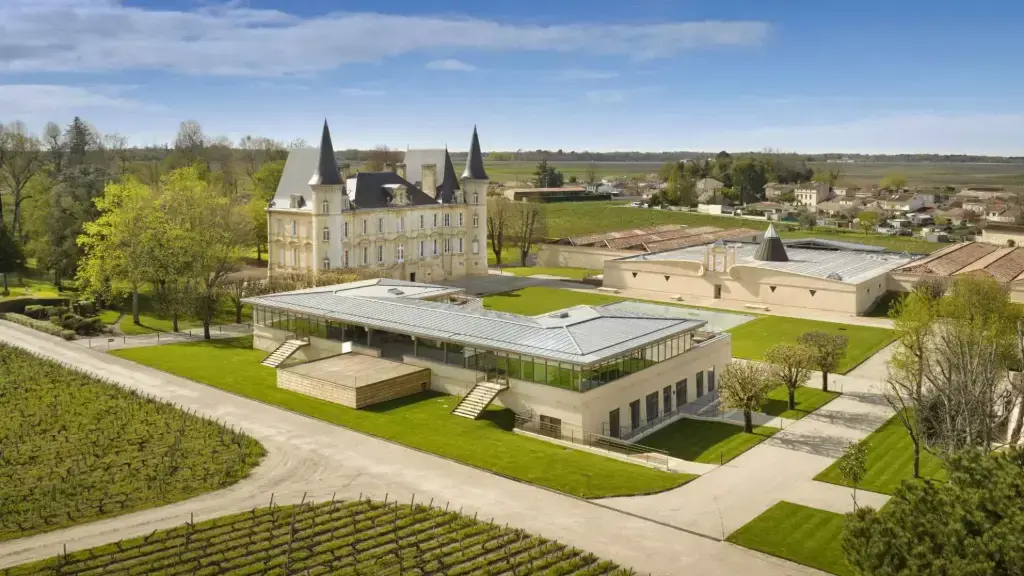
Discover Bordeaux’s charm on a private tour through Saint-Émilion and Médoc. Explore the medieval streets of Saint-Émilion, a UNESCO site, with tastings at Grand Cru Classé wineries. Then visit Médoc’s famous 1855 Classification estates for vineyard tours and wine tastings. Led by a WSET-certified guide, this full-day experience offers expert insights, private transport, and 10-12 wine tastings, perfect for wine and culture lovers.
Final Takeaway: How to Experience Heritage Wine Tours Fully
To connect with heritage wine tours, start by studying the origins of the region and its winemaking traditions. Visit old estates where history lives in every stone and vine. Travel during off-peak seasons to enjoy a more personal experience. Choose guides who bring historical knowledge and cultural context to each tasting.
Add depth to your journey by pairing vineyard visits with nearby heritage sites. Respect fragile architecture and natural environments. And when planning your itinerary, remember that you can easily book wine tours online to secure access to the most meaningful historical visits. Winera also makes planning effortless, allowing users to book a winery visit or wine tour in just a few clicks.
Follow these steps, and you won’t just drink wine, instead you’ll experience living history with every wine.
Hashtags:
#Winera #TuscanyWineTours #Chianti #ChiantiClassico #Asti #Monferrato #LazioWines #MountEtna #SicilyWine #Umbria #Orvieto #Lavaux #SwitzerlandWine #VivancoMuseum #Rioja #PlaDelBages #CataloniaWine #SaintEmilion #Pomerol #ChâteauDestieux #ChâteauLaClémence #ChâteauMontlisse #Médoc #BordeauxWine #WineHeritageTours